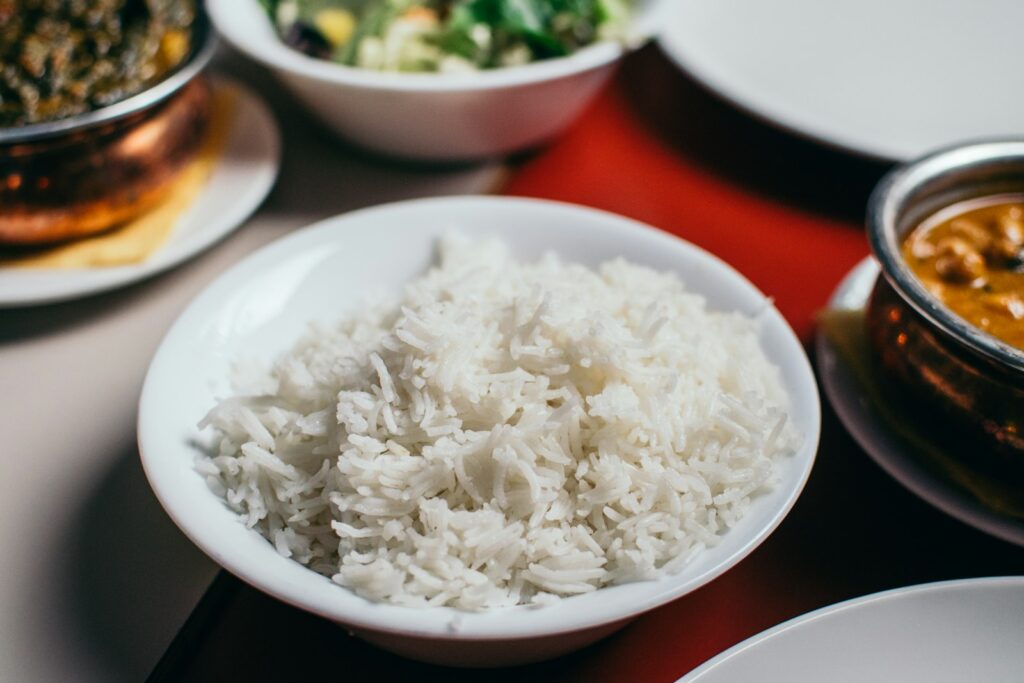
The best IBS diarrhea diet starts with regular meals, plenty of water and less caffeine, alcohol, fizzy drinks, greasy food and sugar-free sweets. Add soluble fibre like psyllium. If urgency or pain continues, try a low FODMAP diet for 2 to 6 weeks, then bring foods back to find your own triggers.
In this article
- What is the best IBS diarrhea diet?
- Are you sure it is IBS-D? Tests worth asking about
- What should you eat with IBS-D?
- Which foods make IBS diarrhoea worse?
- Does the low FODMAP diet work for IBS-D?
- Is your gut microbiome behind your IBS-D?
- What about Ayurveda for loose stools?
- How do you calm the gut-brain loop?
- A sample IBS-D friendly day
- When food is not enough
- Frequently asked questions
- What I want you to remember
At my worst, I planned every outing around toilets. A few spoons of the wrong food could send me running within minutes. I lived with diarrhoea-type IBS for years, so I know the urgency, the cramps and the fear that comes with every meal.
Today I eat bread, dairy and meals out without that fear. This guide is the IBS diarrhea diet I wish I had back then, checked against the newest research. You will learn what to eat, what to limit, which tests to ask about and how to calm your gut for the long run.
What is the best IBS diarrhea diet?
The best IBS diarrhea diet starts with simple habits and moves to a low FODMAP trial only if needed. Eat regular meals, cut back on caffeine, alcohol, fizzy drinks, greasy food and sugar-free sweets, and try a soluble fibre like psyllium. Then test foods to find your own triggers.
IBS with diarrhoea is often called IBS-D. It means loose or watery stools on many of your bad days, along with belly pain that is linked to going to the toilet. It is one of the most common causes of long-lasting diarrhoea. A 2026 review in JAMA named IBS-D and functional diarrhoea as the top two causes of chronic diarrhoea that is not due to an infection.
Two major bodies put diet at the centre of IBS care. They are the UK’s National Institute for Health and Care Excellence (NICE) and the American College of Gastroenterology (ACG). The good news is that most people do not need a long list of banned foods. They need the right order of steps.
Are you sure it is IBS-D? Tests worth asking about
Before you change your diet, make sure a doctor has looked at your symptoms. Several other conditions cause the same loose stools, and some of them have simple, specific treatments.
- Coeliac disease. The ACG recommends a blood test for coeliac disease in people with IBS-D symptoms. Keep eating gluten until the test is done, or the result may be wrong.
- Inflammatory bowel disease. A stool test called faecal calprotectin helps rule out inflammation in the gut.
- Bile acid diarrhoea. A 2015 review of 6 studies with 908 people found that about 28% of those meeting the criteria for IBS-D had bile acid malabsorption. This responds to specific medicines.
- Microscopic colitis. The 2026 JAMA review says it affects about 13% of people with chronic diarrhoea. It only shows up on biopsies taken during a colonoscopy.
Please see a doctor soon if you notice any of these warning signs. Blood in your stool, unexplained weight loss and diarrhoea that wakes you at night all need proper tests first. So do a fever and symptoms that start after age 45.
What should you eat with IBS-D?
Think simple, regular and gentle. Your gut likes rhythm. Eating at similar times each day, without skipping meals or eating very large ones, is one of the first things NICE suggests.
Foods that are usually gentle
- Rice, oats, quinoa and potatoes. These are easy starches that most people with IBS-D handle well.
- Eggs, fish, chicken and firm tofu, cooked simply with little fat.
- Well-cooked carrots, zucchini, pumpkin, spinach and green beans. Cooking softens the fibre.
- Firm bananas, oranges, kiwi, strawberries and blueberries in normal portions.
- Lactose-free milk and yogurt, or hard cheeses like cheddar, which are naturally low in lactose.
- Olive oil and a little butter rather than deep-fried food.
- Plenty of water. The JAMA review suggests at least 8 cups of drinks without caffeine every day.
Why soluble fibre is your friend
Many people with loose stools avoid all fibre. That is often a mistake. Soluble fibre, like psyllium husk, soaks up water and can help form a softer, more solid stool.
In a 2009 trial in the BMJ, 275 people with IBS took psyllium, wheat bran or a dummy powder. In the first month, 57% improved on psyllium compared with 35% on the dummy powder. Bran was less helpful, and more people quit bran because their symptoms got worse.
Try this. Start with half a teaspoon of psyllium husk in a glass of water once a day. Increase slowly over two to three weeks. Go easy on wheat bran and large raw salads while your gut is settling.
Which foods make IBS diarrhoea worse?
The most common culprits are caffeine, alcohol, fizzy drinks, greasy meals, sugar-free sweets and certain fermentable carbohydrates called FODMAPs. Not everyone reacts to all of them, so treat this as a list to test, not a list to fear.
- Caffeine. The JAMA review suggests no more than 3 cups of caffeinated drinks a day. Many of my clients do better with less.
- Alcohol and fizzy drinks. NICE and the JAMA review both advise cutting back.
- Sorbitol and other sugar alcohols. These are found in sugar-free gum, mints and some diet sweets. NICE specifically advises people with IBS-D to avoid sorbitol.
- Fried and very fatty meals. Large greasy meals often trigger urgency.
- High FODMAP foods. These include onion and garlic, beans and lentils in large portions, apples, pears, mango, regular milk and wheat-heavy meals.
Onion and garlic deserve special attention, because they hide in stocks, sauces and spice mixes. My guide on whether garlic is low FODMAP shows the swaps that keep the flavour.
Does the low FODMAP diet work for IBS-D?
Yes, for many people, especially for pain and bloating. But simple advice works for a large group too, so it makes sense to try that first.
In the first US trial in IBS-D, published in 2016, 92 adults followed either a low FODMAP diet or simpler NICE-based advice for 4 weeks. About half of each group reported adequate relief, 52% versus 41%, and that difference was not significant. But the low FODMAP group had far more people with a clear drop in belly pain, 51% versus 23%.
A 2022 UK trial in people with non-constipated IBS compared three diets. Simple traditional advice helped 42%, the low FODMAP diet helped 55% and a gluten-free diet helped 58%. Those differences were not significant, and people found the simple advice cheaper and easier to follow.
The low FODMAP diet is not meant to last forever. You cut back for 2 to 6 weeks, then bring foods back one group at a time. In a 2024 blinded trial of 117 people, most reacted to only 2 or 3 FODMAP groups. Fructans, found in wheat, onion and garlic, triggered symptoms in 56%. My complete IBS diet guide walks you through each phase.
Try this. Give simple habits 4 weeks first. If you still have daily urgency or pain, try a low FODMAP phase with a dietitian, then reintroduce foods.
Is your gut microbiome behind your IBS-D?
I strongly believe gut health plays a major role in nearly every health condition, and IBS-D is a clear example. The research points to the gut bacteria again and again.
First, infections matter. A 2017 review of 45 studies with 21,421 people found that about 10% developed IBS within a year of a gut infection like food poisoning. Their risk was about 4 times higher than in people without an infection. Women and people given antibiotics during the illness were more at risk.
Second, the bacteria look different. A 2019 review of 24 studies found that people with IBS tended to have fewer of two helpful groups, Faecalibacterium and Bifidobacterium. They also had more of a family called Enterobacteriaceae. Researchers still do not know whether these changes cause IBS or result from it.
This is one more reason not to stay on a strict low FODMAP diet for too long. In a 2021 trial, the strict phase lowered levels of Bifidobacterium. Bringing foods back, and adding variety step by step, helps feed the bacteria you want to keep.
Try this. Once your stools settle, add one new plant food each week in a small portion. My Gut Garden game makes counting your plants fun.
What about Ayurveda for loose stools?
Global traditional Ayurveda has long used herbs such as Kutaj and Bael for loose stools. Kutaj was part of my own recovery, alongside diet changes and stress care.
I want to be honest with you here. Good modern trials on these herbs are still missing, and herbs can interact with medicines. Please use them only with guidance from a qualified expert who knows your full history.
The sattvic way of eating in Ayurveda also skips onion and garlic. Modern research from Monash University lists both as rich sources of fructans, the FODMAP that most often triggers symptoms. Old wisdom and new science meet nicely here.
How do you calm the gut-brain loop?
Urgency and anxiety feed each other. Worrying about finding a toilet can speed up your gut, and a fast gut feeds more worry.
A 2024 review of 42 trials with 5,220 people found that brain-gut therapies reduced IBS belly pain. Self-guided cognitive behavioural therapy and gut-directed hypnotherapy were among those with the most evidence.
Try this. Before meals, take five slow breaths, with a longer breath out than in. My free Breathe With Me tool guides you through it. Then join the 30-Day Calm Gut Challenge for one small step each day.
A sample IBS-D friendly day
- Breakfast. Oats cooked with lactose-free milk, topped with sliced firm banana and a teaspoon of chia seeds.
- Mid-morning. A kiwi or an orange, and a glass of water.
- Lunch. Rice with grilled fish or tofu, cooked carrots and zucchini, and a drizzle of olive oil.
- Afternoon. Lactose-free yogurt with blueberries, or a few rice crackers with cheddar.
- Dinner. Baked potato with chicken or eggs and steamed spinach, seasoned with cumin, ginger and chives instead of onion and garlic.
Portions should match your own needs. If you are losing weight without trying, even 2 to 3 kg (4 to 7 lb), tell your doctor.
When food is not enough
Diet helps a lot, but it is not the whole story for everyone. Your doctor may suggest medicines for diarrhoea or cramps. The JAMA review notes that standard therapies improve diarrhoea in about 50 to 80% of people.
Please do not mix over-the-counter medicines on your own for long periods. Ask your doctor or pharmacist what is safe for you.
Flares can still happen while you work this out. My guide on how to calm an IBS flare-up gives you a plan for the first hours and days.
Frequently asked questions
What should I eat during an IBS diarrhoea day?
Keep meals small, warm and simple. Rice, oats, potatoes, eggs, plain fish or chicken, cooked carrots and a firm banana are usually gentle. Drink plenty of water and skip coffee, alcohol, fizzy drinks, greasy food and sugar-free sweets until you feel steadier.
Should I stop eating fibre if I have IBS-D?
No, but choose the right type. Soluble fibre like psyllium can help firm up loose stools, and in a 2009 trial more people improved on psyllium than on a dummy powder. Wheat bran and large raw salads are more likely to upset a sensitive gut.
Is coffee bad for IBS diarrhoea?
Coffee can speed up the gut, and many people with IBS-D notice urgency after it. A 2026 review in JAMA suggests keeping caffeinated drinks to 3 cups a day or fewer. Try cutting back for 2 weeks and see how your gut responds.
Do probiotics help IBS-D?
The evidence is mixed. The 2021 ACG guideline suggests against using probiotics for overall IBS symptoms because the research is not strong enough. Some people still feel better on a specific strain, so if you try one, give it about 4 weeks and stop if nothing changes.
Can IBS-D go away completely?
There is no proven cure for IBS, but many people reach long stretches with few or no symptoms. The right diet steps, gut-brain care and medical support when needed can bring lasting relief, as they did for me.
What I want you to remember
IBS-D is real, common and very manageable. Rule out other causes first, then start with simple habits and soluble fibre. If you need more help, try a short low FODMAP phase and bring foods back to find your true triggers.
Look after your gut bacteria with variety once you feel steady, and calm the gut-brain loop every day. You can enjoy food and life again without planning every trip around a toilet.
Want to test what you know about triggers? Play Trigger or Safe, then explore all my IBS guides.
Sources
- Singh P, et al. Chronic, noninfectious diarrhea. A review. JAMA, 2026
- Lacy BE, et al. ACG clinical guideline. Management of irritable bowel syndrome. American Journal of Gastroenterology, 2021
- Vasant DH, et al. British Society of Gastroenterology guidelines on the management of irritable bowel syndrome. Gut, 2021
- National Institute for Health and Care Excellence. Irritable bowel syndrome in adults. Diagnosis and management (CG61)
- Slattery SA, et al. Systematic review with meta-analysis. The prevalence of bile acid malabsorption in IBS with diarrhoea. Alimentary Pharmacology and Therapeutics, 2015
- Bijkerk CJ, et al. Soluble or insoluble fibre in irritable bowel syndrome in primary care? BMJ, 2009
- Eswaran SL, et al. A randomized controlled trial comparing the low FODMAP diet vs modified NICE guidelines in US adults with IBS-D. American Journal of Gastroenterology, 2016
- Rej A, et al. Efficacy and acceptability of dietary therapies in non-constipated irritable bowel syndrome. Clinical Gastroenterology and Hepatology, 2022
- Van den Houte K, et al. Efficacy and findings of a blinded randomized reintroduction phase for the low FODMAP diet in IBS. Gastroenterology, 2024
- Klem F, et al. Prevalence, risk factors and outcomes of IBS after infectious enteritis. A systematic review and meta-analysis. Gastroenterology, 2017
- Pittayanon R, et al. Gut microbiota in patients with irritable bowel syndrome. A systematic review. Gastroenterology, 2019
- Staudacher HM, et al. Gut microbiota associations with diet in IBS and the effect of low FODMAP diet and probiotics. Clinical Nutrition, 2021
- Goodoory VC, et al. Effect of brain-gut behavioral treatments on abdominal pain in IBS. Systematic review and network meta-analysis. Gastroenterology, 2024
- Brown SR, et al. Effect of coffee on distal colon function. Gut, 1990
- Monash University. High and low FODMAP foods
This article shares general information. It is not a diagnosis or a treatment plan. Please talk to your own doctor before you change your diet, medicines or supplements.

Dt. Hashika Vyas
Hashika is a dietitian who works with clients in 15+ countries on gut health, PCOS and weight. She healed her own IBS, and writes every guide on this site to be calm, clear and practical.