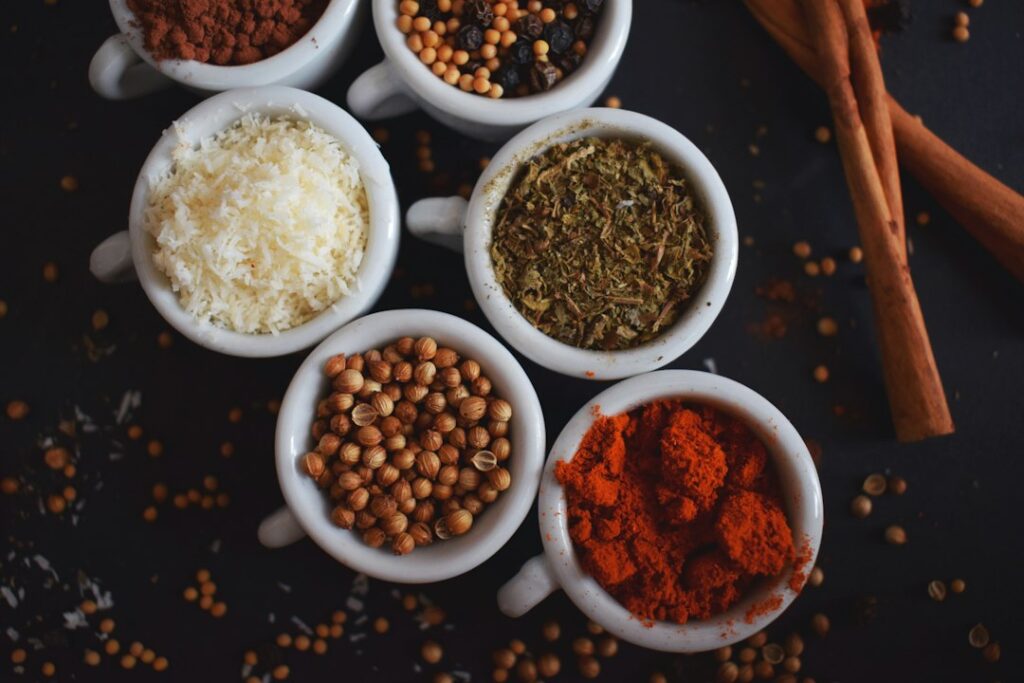
Ayurveda for IBS shows early promise, mostly through food and daily rhythm. A 2021 trial found Ayurvedic nutrition advice eased IBS symptoms more than standard advice. Most herbs, including Kutaj and Guduchi, have no good IBS trials, and some carry liver or toxic metal risks. Use herbs only with expert guidance.
In this article
- Does Ayurveda for IBS really work?
- What do the Ayurveda trials for IBS show?
- Which Ayurvedic herbs are used for IBS, and what is the evidence?
- Which plant remedies have the strongest evidence for IBS?
- Is Ayurveda safe for IBS?
- What parts of Ayurveda can you use for IBS today?
- How does Ayurveda connect to your gut microbiome?
- How I combine Ayurveda with modern IBS care
- When should you see a doctor?
- Frequently asked questions
- What I want you to remember
In a 2021 trial in Berlin, people with IBS tried Ayurvedic nutrition advice or standard advice with a low FODMAP diet. The Ayurveda group improved more. That surprised many doctors. It did not surprise me.
I lived with diarrhoea-type IBS for years. Kutaj was part of my own recovery, alongside diet changes and stress care. So I care deeply about Ayurveda for IBS. I also care about the truth, because herbs can help and herbs can harm.
This guide looks at what the research really says about Ayurveda for IBS. You will learn which parts have trial evidence, which herbs have almost none and the safety rules I never skip.
Does Ayurveda for IBS really work?
Parts of it seem to help, but the evidence is early. A few small trials show that Ayurvedic eating plans and some herbal mixes can ease IBS symptoms. None of them is large or long enough to call it proven.
Global traditional Ayurveda is a whole system of care from South Asia. It looks at food, daily rhythm, sleep, stress and herbs together. It does not use the name IBS. It describes digestive fire, called agni, and patterns of weak or irregular digestion.
Modern doctors now call IBS a disorder of gut-brain interaction. The gut becomes more sensitive, gut movement changes and stress makes everything louder. Seen this way, an approach that works on food, rhythm and the mind at the same time makes good sense.
What do the Ayurveda trials for IBS show?
Three trials stand out. They are small, but they are real randomised trials, which is more than most herbal claims can say.
The Berlin nutrition trial, 2021
Researchers at Charité in Berlin gave 69 adults with IBS one of two types of advice. One group got Ayurvedic nutrition advice. The other got standard German nutrition advice, including a low FODMAP diet.
- After 3 months, symptom scores fell by about 124 points with Ayurveda and about 73 points with standard advice.
- The extra drop of about 51 points was large enough to matter in daily life.
- There were no serious side effects in either group.
The limits are real. It was a small, early study, people knew which diet they followed and some authors teach Ayurveda courses. The authors themselves call for larger and longer trials.
The whole system trial, 2023
A 2023 trial in 48 adults with IBS compared a single herbal powder with a whole system Ayurveda plan for 60 days. The whole system plan combined herbs, diet and lifestyle advice. It improved pain, stool form and adequate relief more than the powder alone.
Both groups improved, but there was no placebo group. So we cannot tell how much came from the treatment and how much from time and hope.
The Bael trial, 1989
An older trial tested a mix of Bael fruit and Brahmi in 169 people with IBS for 6 weeks. It helped about 65% of people, compared with 78% on standard medicine and 33% on a dummy pill. It worked best for diarrhoea-type IBS.
Here is the twist. After more than 6 months, neither the herbs nor the standard medicine prevented relapse better than the dummy pill. Short-term relief is not the same as lasting change.
Which Ayurvedic herbs are used for IBS, and what is the evidence?
These are the herbs I am asked about most. I have graded each one honestly, using what I could find in PubMed in October 2026.
Kutaj (Holarrhena antidysenterica)
Kutaj is the classic Ayurvedic herb for loose stools. Lab studies show its seeds contain compounds that slow gut movement. The only human trial I found was in 30 people with ulcerative colitis, not IBS, so it cannot tell us much about IBS.
Evidence grade. Traditional use and lab research. No IBS trials yet.
Bael (Aegle marmelos)
Bael fruit is used for diarrhoea in Ayurveda. It has the 1989 IBS trial above, in a mix with Brahmi.
Evidence grade. One older, small IBS trial. Promising for short-term diarrhoea relief only.
Guduchi or Giloy (Tinospora cordifolia)
Guduchi is widely used as a tonic and immune herb. I could not find any IBS trials. In 2021, doctors in Mumbai reported 6 people who developed liver injury after taking Guduchi. A 2023 follow-up used DNA tests on the plant samples and confirmed they were true Guduchi.
Some Ayurveda experts argue the cases may involve the wrong plant or other factors. The debate is not settled. Until it is, I treat Guduchi with care.
Evidence grade. No IBS trials. Liver safety concern.
Yashtimadhu or liquorice (Glycyrrhiza glabra)
Liquorice root soothes the gut lining in traditional use. But a 2023 review of 104 case reports found that too much liquorice can raise blood pressure and lower potassium. In rare cases this led to dangerous heart rhythm problems and muscle weakness.
Evidence grade. No good IBS trials. Avoid if you have high blood pressure, heart or kidney disease, or take water pills.
Chiraita, Nimba and Vasa
Chiraita (Swertia chirata) is a bitter herb for digestion. Nimba (neem) and Vasa (Adhatoda vasica) are used for cleansing and breathing. I found no IBS trials for any of them in PubMed. Neem oil has caused serious poisoning in young children, so keep it well away from kids.
Evidence grade. Traditional use only for IBS.
Triphala and turmeric
Triphala is a mix of three dried fruits with a mild laxative effect. A 2018 review says it may help lower gut symptoms, but it relied mostly on lab and early studies. A 2024 review of 26 turmeric studies found possible benefit in IBS, but most studies had a high risk of bias.
Evidence grade. Early and mixed.
Which plant remedies have the strongest evidence for IBS?
The plant remedy with the strongest evidence is not Ayurvedic. It is peppermint oil. A 2019 review pooled 12 trials with 835 people. Peppermint oil capsules eased overall IBS symptoms and belly pain better than a dummy pill.
A 2026 review of 60 plant-based studies with 6,329 people agreed. Peppermint oil and Chinese herbal medicine beat placebo. Soluble fibre came close. For most other plants, there was not enough data to judge.
One more finding matters here. A 2024 review of 24 herbal trials found that 37% of people with IBS improved on a dummy herbal pill. IBS responds strongly to placebo, which is why trials with a dummy group matter so much.
Is Ayurveda safe for IBS?
Ayurvedic food and lifestyle advice is generally safe. Herbal products need much more care, for three reasons.
- Toxic metals. A 2008 study bought 193 Ayurvedic medicines online. About 1 in 5 contained lead, mercury or arsenic. This was true for products made in the US and in India.
- Liver injury. A 2024 review lists Guduchi, Ashwagandha, turmeric and Babchi among Ayurvedic herbs linked to liver injury. Most cases recovered, but some were severe.
- Serious reactions are reported. A 2025 analysis of the World Health Organization safety database found 713 serious reports linked to traditional medicines from Asia. Liver problems were among the most common.
My safety rules.
- See a doctor first to confirm it really is IBS.
- Never stop or change a prescribed medicine to start a herb.
- Buy from brands that publish third-party tests for heavy metals.
- Avoid “rasa shastra” or “bhasma” products, which may combine herbs with metals on purpose.
- Avoid herbs during pregnancy and breastfeeding, and do not give them to children, unless your doctor agrees.
- Tell your doctor and pharmacist about every herb you take.
- Stop at once and get a liver blood test if you notice yellow eyes, dark urine or deep tiredness.
What parts of Ayurveda can you use for IBS today?
The safest and best-supported parts of Ayurveda for IBS are about food and daily rhythm. These overlap closely with modern IBS advice.
Sattvic meals that skip onion and garlic
Sattvic eating is fresh, simple, home-cooked food that is easy to digest. A classic sattvic kitchen skips onion and garlic. Monash University, which created the low FODMAP diet, lists both as rich sources of fructans, a common IBS trigger. Read my guide on whether garlic is low FODMAP for easy swaps.
Regular meals and warm, cooked food
Ayurveda values eating at steady times and choosing warm, cooked meals. UK NICE guidance for IBS also advises regular meals and not skipping or delaying them. Cooked vegetables are often easier on a sensitive gut than large raw salads.
Gentle digestive spices
Cumin, fennel, ginger and asafoetida are used in small amounts to flavour food. Asafoetida, also called hing, can add an onion-like taste without onion. Choose a gluten-free, low FODMAP brand if you are in the elimination phase.
A calmer mind
Ayurveda links digestion with the mind, and modern research agrees. Gut-directed therapies and slow breathing ease IBS symptoms. My guide on IBS and anxiety explains the gut and brain loop, and the free Breathe With Me game guides calm breathing.
Try this. For 2 weeks, eat 3 warm meals at the same times each day. Cook without onion and garlic and flavour with cumin, fennel and a pinch of asafoetida. Keep a simple symptom diary and compare.
How does Ayurveda connect to your gut microbiome?
I strongly believe gut health plays a major role in nearly every health condition, and IBS shows it clearly. A 2019 review of 24 studies found that people with IBS often have fewer helpful gut bacteria, such as Bifidobacterium and Faecalibacterium.
Ayurvedic eating is mostly plant-based and rich in cooked vegetables, lentils, rice, spices and fermented foods such as yogurt. These foods feed a varied gut community. The honest limit is that no trial has yet shown Ayurvedic herbs fix the IBS microbiome. Researchers still do not know whether these bacterial changes cause IBS or result from it.
To grow your plant variety gently, try my Gut Garden game. It helps you count up to 30 different plant foods a week.
How I combine Ayurveda with modern IBS care
I do not ask clients to choose between Ayurveda and modern medicine. I use the parts of each with the best evidence, in three phases.
- Identify. Confirm the diagnosis with a doctor, then track food, stress, sleep and stools for 1 to 2 weeks.
- Stabilise. Use sattvic-style, low FODMAP meals, regular timing and calm breathing for 2 to 8 weeks. Peppermint oil may be added with a doctor’s advice.
- Sustain. Bring foods back one by one, widen plant variety and keep the daily rhythm. Herbs, if used, stay short-term and supervised.
My complete IBS diet guide explains each phase in detail. If you have loose stools most days, my IBS diarrhoea diet guide covers the steps that help most.
When should you see a doctor?
Please see a doctor before trying any herb, and get help quickly if you notice any of these warning signs.
- Blood in your stool, or black, tarry stools
- Losing weight without trying, such as 3 kg (about 7 lb) or more
- Diarrhoea or pain that wakes you at night
- Yellow skin or eyes, dark urine or pale stools after taking a herb
- Symptoms that start after age 50, or a family history of bowel cancer or coeliac disease
Frequently asked questions
What is the best Ayurvedic medicine for IBS?
No single Ayurvedic medicine has strong proof for IBS. A small 1989 trial found a Bael and Brahmi mix helped diarrhoea-type IBS for 6 weeks. Kutaj is the classic herb for loose stools, but it has no IBS trials. Peppermint oil has the strongest evidence of any plant remedy.
Is Triphala good for IBS?
Triphala may help mild constipation because it has a gentle laxative effect. A 2018 review called it promising, but good IBS trials are still missing. It can loosen stools, so it is not a good fit for diarrhoea-type IBS.
Is Giloy safe for the gut and liver?
Giloy, also called Guduchi, is widely used, but doctors have reported liver injury in some people who took it. DNA testing confirmed the plant in one case series. Avoid it if you have liver disease, and stop it if you notice yellow eyes or dark urine.
Can Ayurveda cure IBS?
No treatment can promise a cure for IBS, including Ayurveda. Ayurvedic diet and lifestyle advice may ease symptoms, and one 2021 trial found it helped as much as or more than standard advice. Many people reach long periods with few symptoms. Read can IBS be cured for the full answer.
Can I take Ayurvedic herbs with IBS medicine?
Only with your doctor’s or pharmacist’s approval. Herbs can interact with medicines, and liquorice can raise blood pressure and lower potassium. Never stop a prescribed medicine to start a herb.
What I want you to remember
Ayurveda for IBS has real promise, mostly in its food and lifestyle advice. Sattvic meals without onion and garlic, regular warm meals and a calmer mind all line up with modern IBS care.
The herbs are a different story. Most have little or no IBS research, and some carry real risks for the liver, blood pressure or toxic metals. Use them only with expert guidance and tested products.
Not sure where to start? Take the 2 minute Gut Check quiz, or join the free 30-Day Calm Gut Challenge for one small step each day.
Sources
- Jeitler M, et al. Ayurvedic vs conventional nutritional therapy including low-FODMAP diet for patients with irritable bowel syndrome. A randomized controlled trial. Frontiers in Medicine, 2021
- Naik TD, et al. Efficacy of whole system Ayurveda protocol in irritable bowel syndrome. A randomized controlled clinical trial. Journal of Ayurveda and Integrative Medicine, 2023
- Yadav SK, et al. Irritable bowel syndrome. Therapeutic evaluation of indigenous drugs. Indian Journal of Medical Research, 1989
- Compounds with inhibitory activity on peristalsis from the seeds of Holarrhena antidysenterica. Natural Product Research, 2018
- Johari S, Gandhi T. A randomized single blind parallel group study comparing monoherbal formulation containing Holarrhena antidysenterica extract with mesalamine in chronic ulcerative colitis patients. Ancient Science of Life, 2016
- Nagral A, et al. Herb-induced liver injury. A guide to approach. Lessons from the Tinospora cordifolia (Giloy) case series story. Journal of Clinical and Experimental Hepatology, 2023
- Panneer Selvam K, et al. Can Guduchi (Tinospora cordifolia), a well-known ayurvedic hepato-protectant, cause liver damage? Journal of Ayurveda and Integrative Medicine, 2023
- Ceccuzzi G, et al. Liquorice toxicity. A comprehensive narrative review. Nutrients, 2023
- Dhongade RK, et al. Neem oil poisoning. Indian Pediatrics, 2008
- Tarasiuk A, et al. Triphala. Current applications and new perspectives on the treatment of functional gastrointestinal disorders. Chinese Medicine, 2018
- Thavorn K, et al. A systematic review of the efficacy and safety of turmeric in the treatment of digestive disorders. Phytotherapy Research, 2024
- Alammar N, et al. The impact of peppermint oil on the irritable bowel syndrome. A meta-analysis of the pooled clinical data. BMC Complementary and Alternative Medicine, 2019
- Meyer A, et al. Systematic review and meta-analysis. Plant-based therapy for irritable bowel syndrome. Phytotherapy Research, 2026
- Huang K, et al. Herbal placebo response in clinical trials on irritable bowel syndrome. A systematic review and meta-analysis. Frontiers in Pharmacology, 2024
- Saper RB, et al. Lead, mercury, and arsenic in US- and Indian-manufactured Ayurvedic medicines sold via the Internet. JAMA, 2008
- Philips CA, Theruvath AH. A comprehensive review on the hepatotoxicity of herbs used in the Indian (Ayush) systems of alternative medicine. Medicine, 2024
- N C, et al. Analysis of suspected serious adverse drug reactions reported with traditional medicines from the United Nations Asia region in WHO VigiBase. BMC Complementary Medicine and Therapies, 2025
- Pittayanon R, et al. Gut microbiota in patients with irritable bowel syndrome. A systematic review. Gastroenterology, 2019
- Monash University. All about onion, garlic and infused oils on the low FODMAP diet
- NICE. Irritable bowel syndrome in adults. Diagnosis and management (CG61)
This article shares general information. It is not a diagnosis or a treatment plan. Please talk to your own doctor before you change your diet, medicines or supplements.

Dt. Hashika Vyas
Hashika is a dietitian who works with clients in 15+ countries on gut health, PCOS and weight. She healed her own IBS, and writes every guide on this site to be calm, clear and practical.