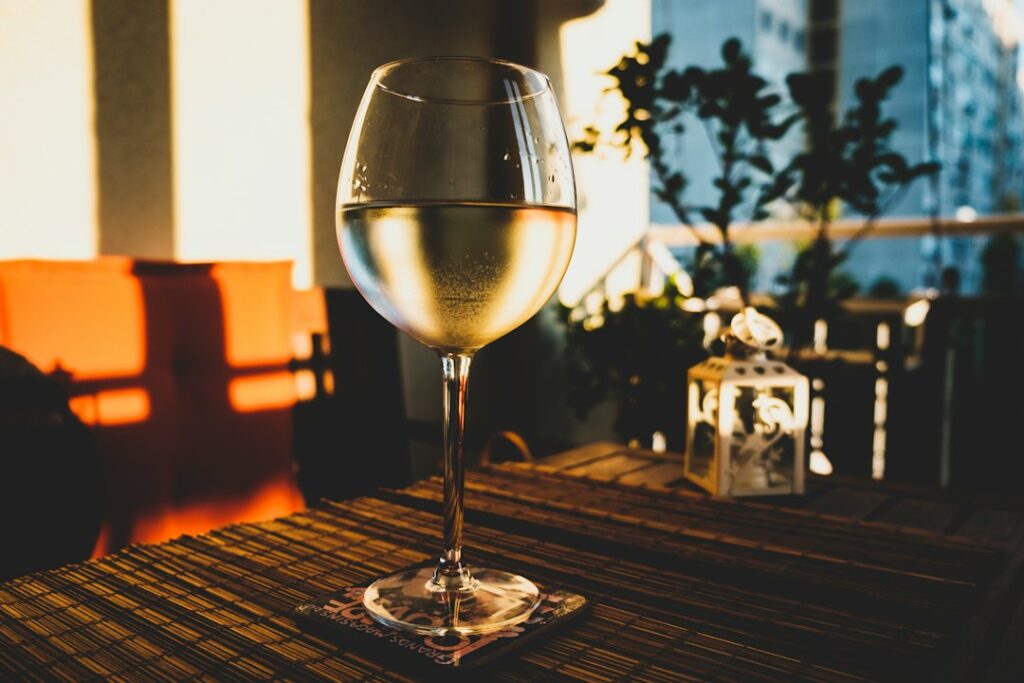
Alcohol does not trigger IBS for everyone, but heavy drinking often does. Binge drinking, meaning 4 or more drinks in a day, is linked to next-day diarrhoea, nausea and stomach pain. Wine and most spirits are low FODMAP, while rum and dessert wine are not. Keep to 1 or 2 drinks, eat first and avoid juice mixers.
In this article
- Does alcohol make IBS worse?
- How are IBS and alcohol linked in the gut?
- Can alcohol cause IBS?
- What does alcohol do to your gut bacteria?
- Which alcoholic drinks are low FODMAP?
- How much alcohol is OK with IBS?
- How can I drink with IBS and avoid a flare?
- What should I do the day after drinking?
- Frequently asked questions
- What I want you to remember
About 1 in 3 people with IBS say alcohol sets off their symptoms. That figure comes from observation studies summarised by Monash University, the team behind the low FODMAP diet. Yet many people with IBS drink with no trouble at all.
So what is going on with IBS and alcohol? The answer depends on how much you drink, what you drink and what you mix it with. Here is what the research shows, which drinks are gentler and how to enjoy a night out without a flare the next day.
Does alcohol make IBS worse?
Heavy drinking seems to make IBS worse, while light drinking often does not. The clearest study followed women aged 18 to 48 with IBS and healthy women for about a month. They kept a daily diary of drinks and gut symptoms.
The study defined binge drinking as 4 or more drinks in a day. Binges were linked to more diarrhoea, nausea, stomach pain and indigestion the next day. Light and moderate drinking showed little or no link. The healthy women had no link at all.
The effect was strongest in women with IBS with diarrhoea. This was a 2013 diary study of women only, so it shows a pattern, not proof. Still, the message is clear. The amount matters more than the drink.
A 2017 review of studies from around the world came to the same view. Moderate drinking was not linked to gut-brain disorders such as IBS. High intake may help start or worsen symptoms, especially indigestion.
How are IBS and alcohol linked in the gut?
Alcohol acts directly on the gut. Monash explains that drinking may change how fast the gut moves, how leaky the gut lining is and how well you absorb food and water. These effects may explain the diarrhoea, pain and indigestion people often report.
People with IBS also tend to have a more sensitive gut wall. A change that a friend barely notices can feel strong and painful to you.
Symptoms may not show up right away. A 2024 study looked at 9,710 food and symptom diaries from a phone app. Drinks with alcohol were tied to symptoms 4 to 72 hours later. About 70% of the app users who answered a survey had IBS.
That study was run by the app company with academic partners, and the users were anonymous. It cannot prove cause. But it is a useful reminder. If you flare on Sunday, look back at Friday night as well as Saturday.
Can alcohol cause IBS?
It may raise the risk a little, but the evidence is not strong. A 2025 genetic study found that people with genes linked to drinking more often had 18% higher odds of IBS. Part of that link seemed to run through depression.
This type of study, called Mendelian randomisation, uses genes as a stand-in for habits. It is clever but has limits, and it cannot tell you what will happen to one person. I read it as one more reason to keep alcohol modest, not as a cause of IBS.
What does alcohol do to your gut bacteria?
I strongly believe your gut bacteria shape how your whole body feels, and alcohol is a good example. A 2017 review explains that regular heavy drinking changes the gut bacteria. It also makes the gut lining more leaky and stirs up inflammation in the gut.
Timing may matter too. In a 2025 study in mice, drinking lowered the helpful bacteria that make short-chain fatty acids. Eating at the wrong time of day made the damage to the gut lining worse. This was in mice, so we cannot be sure it applies to people.
Red wine is the odd one out. A 2020 analysis of 3 groups of people found that red wine drinkers had more diverse gut bacteria. In a 2022 trial, 42 men with heart disease drank 250 ml of red wine 5 days a week for 3 weeks. Their gut bacteria shifted.
These studies are small or observational, and red wine contains plant compounds called polyphenols. You can get polyphenols from berries, tea and olive oil with no alcohol at all. Please do not start drinking for your gut. My guide to the gut-brain axis explains other ways to feed your gut bacteria.
Which alcoholic drinks are low FODMAP?
Many drinks are low in FODMAPs. Monash says that wine and spirits are low in FODMAPs. The exceptions it names are rum, sticky dessert wine and more than 250 ml (about 8.5 fl oz) of red wine.
Monash has tested 12 types of alcoholic drinks, and the safe serve for each is in the Monash FODMAP app. Beer is made from grain, so choose a gluten-free one if you have coeliac disease.
Low FODMAP does not mean gut friendly, though. A low FODMAP drink can still irritate the gut. The mixer can also be the real trigger.
- Gentler choices. A small glass of dry white or red wine, or a wine spritzer. A single gin, vodka or whisky with soda water and fresh lime.
- Riskier choices. Rum, dessert wine, large glasses of red wine and cocktails made with fruit juice.
- Watch the mixer. Apple juice is high FODMAP. Sugar-free mixers may contain sweeteners that upset some people, and fizzy drinks can add gas.
The NHS advises people with IBS not to drink lots of alcohol or fizzy drinks. If bubbles bloat you, try still water with lime instead of tonic or cola.
How much alcohol is OK with IBS?
There is no IBS-specific limit, so follow the general health limits and your own gut. Monash notes that the US CDC advises no more than 2 standard drinks a day for men and 1 for women. Australia advises no more than 10 standard drinks a week and fewer than 4 in a day.
The British Dietetic Association advises checking whether alcohol is a trigger for you and keeping within safe limits. UK NICE advice also suggests cutting back. No high-quality trial has yet tested whether cutting alcohol eases IBS, so your own diary is the best guide.
Try this. For 2 weeks, write down every drink, what you mixed it with and how your gut feels over the next 3 days. Then compare weeks with and without alcohol.
How can I drink with IBS and avoid a flare?
Small changes make a big difference. These are the steps I suggest if you want to enjoy a drink.
- Eat first. Have a light, low FODMAP meal before you go out. Monash advises having alcohol with food. My low FODMAP snacks guide has easy ideas.
- Keep to 1 or 2 drinks. The 2013 diary study linked trouble mainly to 4 or more drinks in a day.
- Alternate with water. Have a glass of water or mineral water between drinks.
- Choose a simple drink. Pick wine, a spritzer or a spirit with soda water over sweet cocktails.
- Watch the food too. Late-night pizza, garlic bread and creamy dips can stack FODMAPs and fat on top of the alcohol.
- Stop 3 hours before bed. Drinking close to bedtime harms sleep, and poor sleep can worsen IBS the next day.
That last point matters more than most people think. A 2025 review of 27 studies found that even about 2 standard drinks cut deep dream sleep, called REM sleep. For a 70 kg (154 lb) adult, the low dose in that review is about 35 g of pure alcohol. My guide on IBS at night explains why poor sleep feeds next-day symptoms.
If you take medicines for IBS, ask your doctor or pharmacist whether it is safe to drink with them. Some, such as low-dose antidepressants, can make you drowsy. Do not drink at all if you are pregnant.
What should I do the day after drinking?
Be gentle with your gut. Drink water through the day and eat simple, low FODMAP meals. Try eggs on sourdough, rice with chicken or fish, or oats with firm banana.
Skip the greasy breakfast. Monash notes that high-fat meals can slow the gut and add to bloating and discomfort. If coffee usually sends you rushing to the toilet, keep it small. My guide to coffee and IBS explains why.
If you are in the middle of a flare, my guide to calming an IBS flare has a step-by-step plan.
Frequently asked questions
Is beer bad for IBS?
Beer is not always bad for IBS, but the bubbles and the volume can bloat some people. Monash has tested beer, and you can find its safe serve in the Monash FODMAP app. Start with a small glass and see how you feel over the next 3 days. Choose a gluten-free beer if you have coeliac disease.
Is red wine or white wine better for IBS?
Both are low FODMAP in a normal glass. Monash says red wine becomes high FODMAP above 250 ml (about 8.5 fl oz). Dessert wines are high FODMAP. A small glass of dry wine, or a spritzer with soda water, is the gentler choice.
Why do I get diarrhoea after drinking alcohol?
Alcohol can speed up the gut and change how it absorbs water, which can loosen stools. A 2013 diary study linked 4 or more drinks in a day to more next-day diarrhoea in women with IBS. The link was strongest in those with IBS with diarrhoea.
Should I stop drinking completely if I have IBS?
Not always. Light drinking was not clearly linked to worse symptoms in the research. Keep a diary, stay within health limits and see what your own gut tolerates. If alcohol clearly triggers you, a break of a few weeks is a fair test.
What I want you to remember
IBS and alcohol can get along if you keep it light. The research links trouble mainly to heavy drinking, not to a single drink. Choose wine or spirits with soda water, skip rum, dessert wine and juice mixers, eat first and stop 3 hours before bed.
Keep a simple diary, because symptoms can show up 1 to 3 days later. Test your knowledge of hidden triggers in the Trigger or Safe game. For the full plan, read my complete IBS diet guide, and join my free 30-Day Calm Gut Challenge.
Sources
- Clarke E. Going dry for July? How alcohol can impact IBS. Monash University FODMAP blog, 2022
- Swiney C. Non-FODMAP dietary triggers of IBS symptoms. Monash University FODMAP blog, 2024
- Dwyer E. Alcohol on a low FODMAP diet. Monash University FODMAP blog, 2018
- Reding KW, et al. Relationship between patterns of alcohol consumption and gastrointestinal symptoms among patients with irritable bowel syndrome. American Journal of Gastroenterology, 2013
- Ohlsson B. The role of smoking and alcohol behaviour in management of functional gastrointestinal disorders. Best Practice and Research Clinical Gastroenterology, 2017
- Clevers E, et al. Coffee, alcohol, and artificial sweeteners have temporal associations with gastrointestinal symptoms. Digestive Diseases and Sciences, 2024
- Yuan R, et al. Mendelian randomization analysis reveals causal associations between beverages and irritable bowel syndrome. Alcohol, but not others. Food Science and Nutrition, 2025
- Bishehsari F, et al. Alcohol and gut-derived inflammation. Alcohol Research. Current Reviews, 2017
- Tran L, et al. Impact of peripheral circadian misalignment and alcohol on the resiliency of intestinal barrier and microbiota. Gut Microbes, 2025
- Le Roy CI, et al. Red wine consumption associated with increased gut microbiota alpha-diversity in 3 independent cohorts. Gastroenterology, 2020
- Haas EA, et al. A red wine intervention does not modify plasma trimethylamine N-oxide but is associated with broad shifts in the plasma metabolome and gut microbiota composition. American Journal of Clinical Nutrition, 2022
- Gardiner C, et al. The effect of alcohol on subsequent sleep in healthy adults. A systematic review and meta-analysis. Sleep Medicine Reviews, 2025
- McKenzie YA, et al. British Dietetic Association systematic review and evidence-based practice guidelines for the dietary management of irritable bowel syndrome in adults (2016 update). Journal of Human Nutrition and Dietetics, 2016
- NHS. Irritable bowel syndrome (IBS). Diet, lifestyle and medicines. Reviewed 2025
- Monash University. High and low FODMAP foods. Monash FODMAP, accessed 2026
- Lacy BE, et al. ACG clinical guideline. Management of irritable bowel syndrome. American Journal of Gastroenterology, 2021
- Vasant DH, et al. British Society of Gastroenterology guidelines on the management of irritable bowel syndrome. Gut, 2021
This article shares general information. It is not a diagnosis or a treatment plan. Please talk to your own doctor before you change your diet, medicines or supplements.

Dt. Hashika Vyas
Hashika is a dietitian who works with clients in 15+ countries on gut health, PCOS and weight. She healed her own IBS, and writes every guide on this site to be calm, clear and practical.