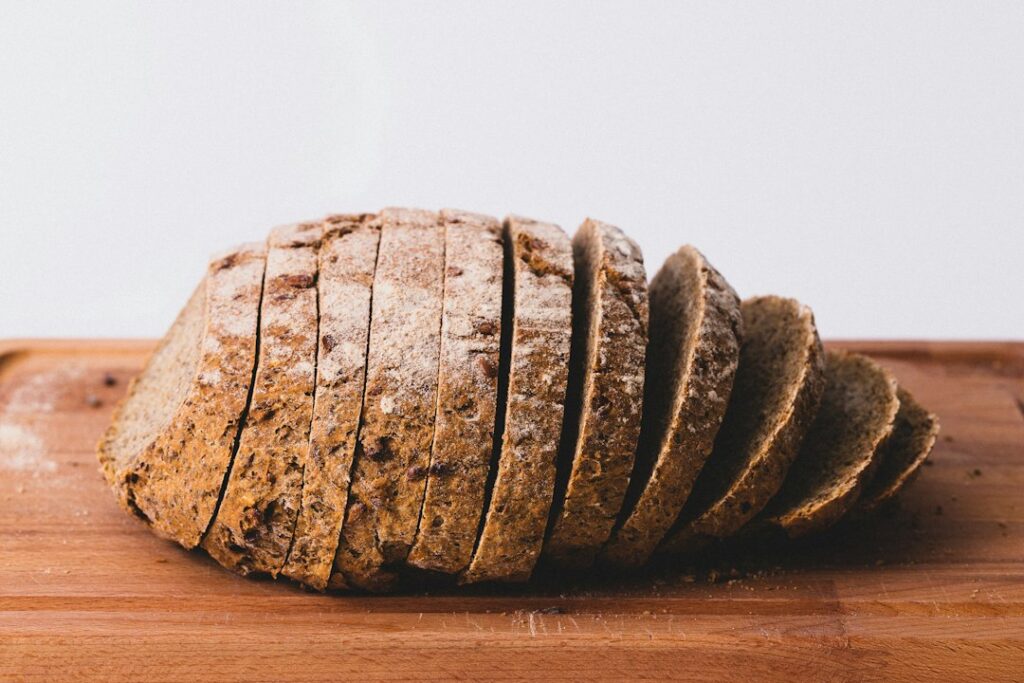
Many people who think gluten upsets them are reacting to fructans, a FODMAP found in wheat, onion and garlic. In blinded trials, only about 16% of people with suspected gluten sensitivity reacted to gluten itself. Get tested for coeliac disease first, then use a short low FODMAP plan to test fructans and gluten separately.
In this article
- What is gluten sensitivity?
- How is gluten sensitivity different from coeliac disease?
- What are FODMAPs and why do they matter here?
- Is it gluten sensitivity vs FODMAP? What do the trials show?
- Can expecting gluten make you feel worse?
- Is a gluten-free diet good for your gut bacteria?
- How can I find out what is really upsetting my gut?
- Is a gluten-free diet ever the right choice?
- Frequently asked questions
- What I want you to remember
In a 2018 Norwegian trial, 59 people who believed gluten upset their gut ate muesli bars for a week at a time. Some bars hid gluten, some hid fructans, and some hid nothing. Fructans made bloating worse. Gluten did no more than the dummy bar. So when it comes to gluten sensitivity vs FODMAP triggers, the real culprit is often a carb, not the protein.
In this guide I explain what gluten sensitivity is and how it differs from coeliac disease. I share what the best trials found about gluten, fructans and the power of expectation. You will also learn how to find your real trigger without cutting out more food than you need.
What is gluten sensitivity?
Non-coeliac gluten sensitivity (NCGS) means you get symptoms after eating gluten or wheat. Yet you do not have coeliac disease or a wheat allergy. Gluten is a protein found in wheat, barley and rye. Symptoms often include bloating, belly pain, changes in stools, tiredness, headaches and “brain fog”.
A 2025 review in The Lancet says about 10% of adults worldwide report gluten or wheat sensitivity. There is no blood test or biomarker for it. Doctors can only diagnose it after ruling out other conditions, so it is called a diagnosis of exclusion.
How is gluten sensitivity different from coeliac disease?
Coeliac disease is an autoimmune disease that damages the small bowel, while gluten sensitivity does not cause that damage. In coeliac disease, even a small amount of gluten makes the immune system attack the gut lining. Over time this can cause problems such as low iron.
A 2018 review of 96 studies estimated that about 1.4% of people worldwide have blood tests that point to coeliac disease. About 0.7% have it confirmed by a biopsy. Many people with coeliac disease do not know they have it.
This is why testing comes first. The UK guideline from NICE says not to start a gluten-free diet before coeliac testing is complete. It advises eating some gluten in more than 1 meal every day for at least 6 weeks before testing. If you cut gluten first, the test can come back falsely normal.
What are FODMAPs and why do they matter here?
FODMAPs are short-chain carbs that some people absorb poorly, and wheat is one of the biggest sources. The name stands for fermentable oligo-, di-, monosaccharides and polyols. Gut bacteria ferment them quickly, which makes gas and draws water into the bowel.
The FODMAP found in wheat, barley and rye is called fructans. Fructans are also high in onion and garlic. So gluten and fructans travel together in bread, pasta, cakes and cereals. When you stop eating wheat, you cut both at once. That makes it very hard to know which one was the problem.
My guides to onion and garlic explain fructans in other foods. If onion and garlic bother you as much as bread does, fructans may be your real trigger.
Is it gluten sensitivity vs FODMAP? What do the trials show?
Blinded trials suggest that most people who think gluten is the problem react to fructans, or to the expectation of eating gluten. Only a small group react to gluten itself. Here is what the key studies found.
Fructans, not gluten
The 2018 Norwegian trial gave each person 3 different weeks of muesli bars. One week had 5.7 g of gluten a day, one had 2.1 g of fructans, and one had neither. Nobody knew which was which. Overall symptoms and bloating were highest during the fructan week. Gluten scores were no different from the dummy bars.
Individual results varied. Thirteen people felt worst on gluten, 24 felt worst on fructans and 22 felt worst on the dummy bars. That tells us people are different, and that expectation plays a part.
Low FODMAP first, then gluten
A 2013 Australian trial put 37 people with self-reported gluten sensitivity and IBS on a low FODMAP diet for 2 weeks. Gut symptoms improved in everyone. When gluten was added back in blinded meals, symptoms got worse, but they got just as bad with a dummy protein. Gluten-specific effects showed up in only 8% of people.
The 2025 IBS trial
A 2025 Canadian trial tested 28 adults with IBS who felt better on a gluten-free diet. They ate cereal bars with wheat, gluten or neither for a week each, without knowing which. Symptoms got clearly worse in 39% after wheat, 36% after gluten and 29% after the dummy bar. These differences were not statistically significant. The authors said expectations played a major role, and only some people may benefit from cutting gluten.
Can expecting gluten make you feel worse?
Yes, expecting gluten can trigger real gut symptoms. This is called the nocebo effect, the opposite of a placebo effect. It does not mean the symptoms are fake. Your brain and gut are wired together, and worry can turn up the volume on gut signals.
A 2024 European trial tested this in 84 people with gluten sensitivity. Each person ate oat bread and was told it did or did not contain gluten. Some were told the truth and some were not. Symptoms were highest when people expected gluten and actually ate it. People who ate gluten without knowing had about the same symptoms as people who ate no gluten at all. The authors called it a nocebo effect, though they said an extra effect of gluten could not be ruled out. Several bakery and grain companies helped fund this study, which is worth knowing.
A 2017 analysis of 10 blinded gluten trials with 1,312 adults found that only 16% of people with suspected gluten sensitivity had gluten-specific symptoms. About 40% of those also reacted to the dummy treatment.
I strongly believe this is a gut-brain story as much as a food story. A small 2025 study compared 16 people with gluten sensitivity and 20 healthy adults. The gluten-sensitive group had more negative mood at the start, before eating anything. Their gut symptoms were not gluten-specific. Calming the gut-brain axis can be as helpful as changing your plate. My guide to hypnotherapy for IBS explains one proven way to do that.
Is a gluten-free diet good for your gut bacteria?
A strict gluten-free diet is not automatically better for your gut bacteria, and it may lower some helpful ones. In a small 2009 Spanish study, 10 healthy adults went gluten-free for 1 month. They ate fewer of certain fibres, called polysaccharides. Levels of helpful Bifidobacterium and Faecalibacterium prausnitzii fell.
A larger 2018 Danish trial compared a low-gluten and a high-gluten diet in 60 healthy adults for 8 weeks each. The low-gluten diet changed gut bacteria, reduced hydrogen gas on the breath and eased bloating. The authors thought most of these effects came from changes in fibre, not from gluten itself.
When clients come to me, I always ask about their gut health and their poop. Many people who have cut out wheat also cut out a big source of fibre without replacing it. Your gut bacteria need that fibre to make short-chain fatty acids that protect the gut lining. My guide to 30 plants a week shows easy ways to keep fibre and variety high.
How can I find out what is really upsetting my gut?
The best way is to rule out coeliac disease first, then test fructans and gluten separately with a short, guided plan. Here are the steps I suggest, ideally with a dietitian.
Try this
- Get tested for coeliac disease first. Keep eating gluten in more than 1 meal a day for 6 weeks before the blood test.
- Check for warning signs. Weight loss, low iron or blood in your stool need a doctor before any diet change.
- Try a low FODMAP diet for 2 to 6 weeks. This lowers fructans from wheat, onion and garlic, plus other FODMAPs. My guide to the low FODMAP diet in 3 phases walks you through it.
- Test fructans without gluten. Once you feel better, try a fructan food that has no gluten, such as a small portion of garlic or onion.
- Test gluten with fewer fructans. On a separate day, try a lower-fructan wheat food. My guide to sourdough and IBS explains which breads are gentler.
- Leave 2 to 3 days between tests. Note symptoms in a diary so you can see a clear pattern.
- Swap, do not just cut. Use oats, rice, potatoes, quinoa and buckwheat to keep fibre up. My guides to oats and rice give safe portions.
- Calm the gut-brain loop. Try my free 30-Day Calm Gut Challenge while you test foods.
Want to test what you know? Play my Daily Myth game for quick gut health myth checks.
Is a gluten-free diet ever the right choice?
Yes. People with coeliac disease must follow a strict gluten-free diet for life. People with a wheat allergy need to avoid wheat. A small group with true gluten sensitivity may also feel better on less gluten.
For everyone else, a strict gluten-free diet is often more than you need. The 2025 Lancet review says management should balance diet changes with care for the mind and make sure meals stay nourishing. Many people can enjoy some wheat once they know their fructan limit.
Frequently asked questions
Is gluten intolerance the same as a FODMAP intolerance?
No. Gluten is a protein, and FODMAPs are carbs. Wheat contains both gluten and fructans, a type of FODMAP, so it is easy to mix them up. Blinded trials suggest fructans cause more symptoms than gluten in many people who think they are gluten sensitive.
Should I go gluten-free if bread makes me bloated?
Not straight away. First ask your doctor for a coeliac blood test while you are still eating gluten. If it is negative, a short low FODMAP diet can show whether fructans are the real problem. Many people find they do not need to cut gluten completely.
Can you test for non-coeliac gluten sensitivity?
There is no blood test for it yet. Doctors rule out coeliac disease and wheat allergy first. The most accurate check is a blinded gluten challenge, where you do not know if you are eating gluten or a dummy food. In daily life, a guided food diary with a dietitian is the practical choice.
Why do I feel better on a gluten-free diet if gluten is not the problem?
A gluten-free diet also cuts fructans from wheat, barley and rye. It often means fewer processed foods too. Expectation may also play a part. A 2018 Danish trial found that eating less gluten eased bloating, and the authors thought fibre changes explained most of it.
Is a gluten-free diet bad for gut health?
Not if it is well planned, but it can lower fibre and some helpful bacteria. A small 2009 study found fewer Bifidobacterium after 1 month gluten-free. If you need to avoid gluten, eat plenty of oats, rice, quinoa, beans, fruit, vegetables, nuts and seeds.
What I want you to remember
Many people who think gluten is their problem react more to fructans, the FODMAP in wheat, onion and garlic. Expectation can also cause real symptoms. Only a small group react to gluten itself.
Get tested for coeliac disease before you cut gluten. Then use a short low FODMAP plan to test fructans and gluten separately. Keep your fibre high and your mind calm. If you have IBS, my complete IBS diet guide and my article on heartburn vs IBS can help you understand the rest of your gut.
Sources
- Skodje GI, et al. Fructan, rather than gluten, induces symptoms in patients with self-reported non-celiac gluten sensitivity. Gastroenterology, 2018
- Biesiekierski JR, et al. Non-coeliac gluten sensitivity. The Lancet, 2025
- Singh P, et al. Global prevalence of celiac disease. Systematic review and meta-analysis. Clinical Gastroenterology and Hepatology, 2018
- NICE. Coeliac disease. Recognition, assessment and management (NG20), 2015
- Biesiekierski JR, et al. No effects of gluten in patients with self-reported non-celiac gluten sensitivity after dietary reduction of fermentable, poorly absorbed, short-chain carbohydrates. Gastroenterology, 2013
- Seiler CL, et al. Effect of gluten and wheat on symptoms and behaviours in adults with irritable bowel syndrome. Lancet Gastroenterology and Hepatology, 2025
- de Graaf MCG, et al. The effect of expectancy versus actual gluten intake on gastrointestinal and extra-intestinal symptoms in non-coeliac gluten sensitivity. Lancet Gastroenterology and Hepatology, 2024
- Molina-Infante J, Carroccio A. Suspected nonceliac gluten sensitivity confirmed in few patients after gluten challenge in double-blind, placebo-controlled trials. Clinical Gastroenterology and Hepatology, 2017
- Iven J, et al. Impact of acute and sub-acute gluten exposure on gastrointestinal symptoms and psychological responses in non-coeliac gluten sensitivity. United European Gastroenterology Journal, 2025
- De Palma G, et al. Effects of a gluten-free diet on gut microbiota and immune function in healthy adult human subjects. British Journal of Nutrition, 2009
- Hansen LBS, et al. A low-gluten diet induces changes in the intestinal microbiome of healthy Danish adults. Nature Communications, 2018
- Catassi C, et al. Diagnosis of non-celiac gluten sensitivity (NCGS). The Salerno Experts' Criteria. Nutrients, 2015
This article shares general information. It is not a diagnosis or a treatment plan. Please talk to your own doctor before you change your diet, medicines or supplements.

Dt. Hashika Vyas
Hashika is a dietitian who works with clients in 15+ countries on gut health, PCOS and weight. She healed her own IBS, and writes every guide on this site to be calm, clear and practical.