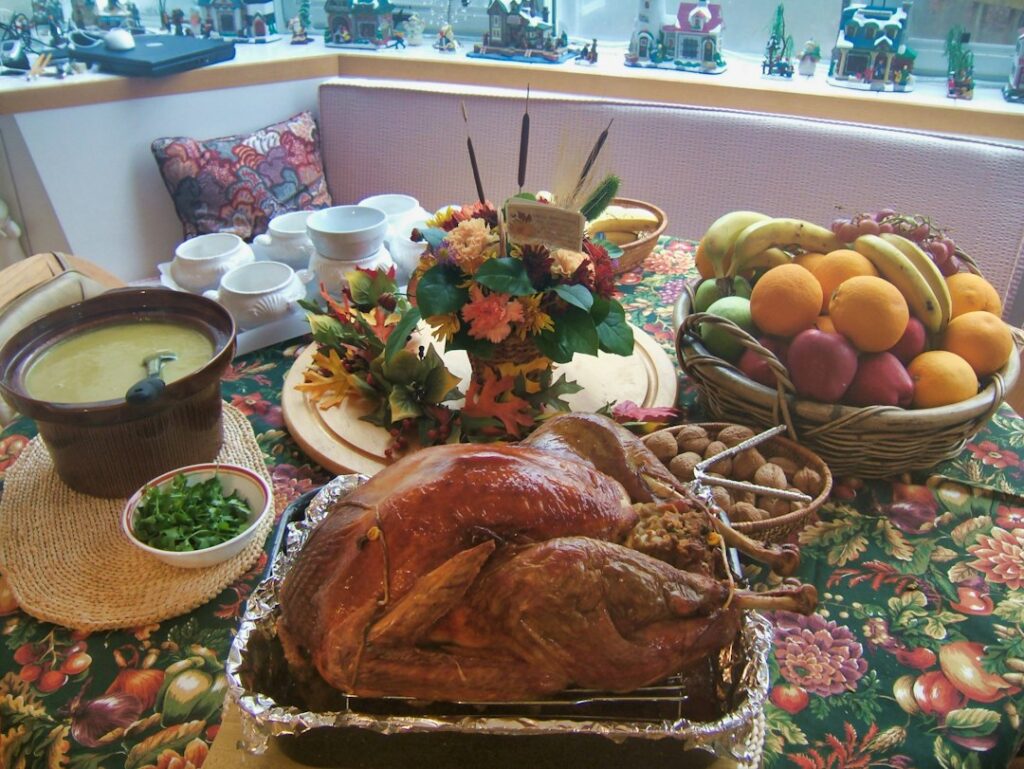
A low FODMAP Thanksgiving keeps most classic dishes with a few swaps. Plain roast turkey, potatoes, carrots, parsnips and green beans are safe. Swap onion and garlic for garlic-infused oil, use gluten free bread in stuffing, make your own gravy, keep portions modest, limit alcohol and walk after the meal.
In this article
- Can you enjoy Thanksgiving with IBS?
- Which Thanksgiving foods are low FODMAP?
- Which Thanksgiving foods are high FODMAP?
- How do you make a low FODMAP Thanksgiving dinner?
- Why do big holiday meals upset your gut?
- How can you pace the day to avoid a flare-up?
- Can you drink alcohol at Thanksgiving with IBS?
- Will Thanksgiving make you gain weight?
- What should you do the day after Thanksgiving?
- When should you see a doctor?
- Frequently asked questions
- What I want you to remember
In a Swedish study of 197 people with IBS, 84% said at least one food set off their symptoms. More than half named fried and fatty foods. Now picture a Thanksgiving table, with rich gravy, buttery stuffing, onions in almost everything, pie and wine. No wonder so many people with IBS dread the big meal.
I lived with IBS with diarrhoea myself, so I know that feeling of watching the plate instead of the people. This low FODMAP Thanksgiving plan shows you what is safe to eat, what to swap and how to pace the day. You can use the same plan for Christmas or any big holiday feast.
Can you enjoy Thanksgiving with IBS?
Yes, you can enjoy Thanksgiving with IBS if you plan a little and keep the rest of the day calm. Many classic dishes are naturally gentle on the gut. The trouble usually comes from hidden onion and garlic, wheat bread, large portions, fat and alcohol all landing at once.
FODMAPs are types of carbohydrate that some people do not absorb well. Gut bacteria ferment them, which can cause gas, bloating, pain and changes in your bowel habits. A 2022 review in the journal Gut pooled 13 trials with 944 people. A low FODMAP diet ranked first for easing overall IBS symptoms.
That said, you do not need to be perfect on a holiday. Monash University, the team that developed the low FODMAP diet, says a few hidden FODMAPs on your plate will not undo your hard work. My guide to the 3 phases of the low FODMAP diet explains why it is a short learning tool.
Which Thanksgiving foods are low FODMAP?
Plain roast turkey is FODMAP free. Monash says meat products naturally contain no FODMAPs, so any plain roasted meat is a safe choice. Monash also names potatoes, carrots and parsnips as great festive side dishes.
Safe choices to fill your plate
- Plain roast turkey, chicken, ham or fish, seasoned with salt, pepper and herbs such as rosemary, thyme and sage.
- Potatoes, roasted or mashed with butter and lactose-free milk.
- Carrots and parsnips, roasted with a little oil and maple syrup.
- Green beans, steamed or roasted.
- Hard cheeses such as cheddar or parmesan on a cheese board.
- Peanuts, walnuts and macadamias for snacking.
- Oranges, kiwifruit, pineapple and blueberries for a fresh dessert or fruit bowl.
Monash lists maple syrup, table sugar and dark chocolate as low FODMAP sweeteners. Butter and hard cheese are naturally low in lactose, which is the FODMAP in milk. If you are unsure about a dish, the Trigger or Safe game is a fun way to test what you know before the day.
What about sweet potato, pumpkin and cranberry sauce?
Sweet potato and pumpkin can be part of your meal in sensible portions. Monash keeps the exact serving sizes for these foods in its FODMAP app, so check there for the type you plan to serve. A small spoon alongside plenty of plain potato is a safe way to include them.
Cranberry sauce is less clear. In a 2015 blog, Monash said cranberry sauce had yet to be tested. It suggested trying a small amount to see how you feel, or using strawberry jam instead. Monash does list cranberry juice as a safe choice.
Which Thanksgiving foods are high FODMAP?
The main high FODMAP foods on a Thanksgiving table are onion, garlic, wheat bread, some fruits and lots of milk. Monash names onion and garlic among the vegetables richest in fructans. They hide in stuffing, gravy, stock, marinades, dips and many side dishes.
- Stuffing made with wheat bread, onion and garlic.
- Gravy made with onion, garlic or a ready-made stock cube or packet.
- Green bean casserole with mushroom soup and fried onions. Monash lists mushrooms as rich in mannitol.
- Dinner rolls and wheat pie crusts in large amounts.
- Apple pie, because Monash lists apples as high FODMAP.
- Cream, custard and ice cream, which are high in lactose.
- Honey glazes, because honey is high in fructose.
- Cashews and pistachios in nut bowls.
My guides on whether onion is low FODMAP and whether garlic is low FODMAP explain why these two cause so much trouble. Lactose only bothers some people, and my guide to lactose and IBS helps you work out if you are one of them.
How do you make a low FODMAP Thanksgiving dinner?
You make a low FODMAP Thanksgiving dinner by keeping the classic dishes and swapping only the problem ingredients. Here is how I would build the menu.
Turkey
Rub the turkey with garlic-infused oil, salt, pepper and fresh herbs. Monash notes that fructans are not fat soluble, so garlic-infused oil gives flavour without the fructans. Avoid ready-made brines, rubs and injected turkeys unless you can check every ingredient.
Stuffing
Monash suggests two simple changes. Infuse your oil or butter with chunks of garlic and onion, then remove the chunks before you use it. Then use toasted cubes of gluten free bread instead of regular bread. Add herbs, carrot and a little lactose-free stock.
Monash also lists spelt sourdough as a low FODMAP bread. My guide to sourdough and IBS explains why the long rise helps.
Gravy
Make gravy from the pan juices and thicken it with cornflour (cornstarch). Use garlic-infused oil for flavour and a stock you know is free of onion and garlic. Many stock cubes and gravy packets contain both, so read the label.
Sides
Mash potatoes with butter and lactose-free milk. Roast carrots and parsnips with oil and a drizzle of maple syrup. Serve green beans with toasted walnuts or a squeeze of orange. Add a small spoon of sweet potato or pumpkin if you know your safe portion.
Dessert
A fruit bowl with oranges, kiwifruit, pineapple and blueberries feels festive and light. Dark chocolate with walnuts or peanuts is another easy option. If you love pie, have a small slice and pair it with lactose-free cream or a scoop of lactose-free ice cream.
Why do big holiday meals upset your gut?
Big holiday meals upset your gut because they combine size, fat, FODMAPs, alcohol and stress in one sitting. Each one can affect the gut on its own. Together, they add up.
Fat is one of the less obvious triggers. In a 2002 study in Gastroenterology, researchers pumped gas into the small intestine of 45 healthy people and 30 people with IBS. Fat slowed the gas from moving through in both groups. People with IBS held on to more gas, and they reacted to a lower dose of fat.
Your gut bacteria respond quickly too. A 2014 study in Nature found that gut bacteria shifted within days when people changed what they ate. I strongly believe this is why a few days of rich, low fibre holiday food can leave many people bloated and sluggish. The good news is that the same speed works in your favour once you go back to your usual meals.
Stress plays a big part as well. Travel, cooking for a crowd and family tension all send signals to the gut. My guide to stress and gut health explains how cortisol affects your gut.
How can you pace the day to avoid a flare-up?
How and when you eat may matter as much as what you eat. In a 2015 Swedish trial, 75 people with IBS tried either a low FODMAP diet or classic IBS advice for 4 weeks. The classic advice focused on regular meals, avoiding large meals and cutting down fat and gassy foods. Both diets eased symptoms about equally, with 50% and 46% of people improving a lot.
- Eat breakfast and a light lunch. Monash advises having a balanced light meal before an event so you do not arrive starving. Arriving very hungry often leads to a huge plate.
- Use a smaller plate. Fill half with safe vegetables and potatoes, a quarter with turkey and leave a small space for one favourite dish.
- Eat slowly. Put your fork down between bites and talk to people. You swallow less air and notice when you are full.
- Take a short walk after the meal. In a small 2004 study of 8 healthy adults, gentle cycling helped gas move through the gut and reduced belly swelling compared with resting. A 10 to 15 minute walk is an easy way to do the same.
- Keep snacks small. Monash suggests about 1 serving of fruit or 1 handful of nuts, and avoiding greasy snacks.
- Plan a calm evening. Monash suggests booking in recovery time and early nights during the festive season.
Moving your body also helps beyond the gas. My guide to exercise for IBS covers the trials. If trapped wind is your main problem, my article on excessive gas explains what is normal.
Can you drink alcohol at Thanksgiving with IBS?
You can have a drink, but keep it to one or two and have it with food. Monash calls alcohol a gut irritant and recommends limiting it. It also suggests drinking with food to make symptoms less likely.
The amount matters. In a 2013 US diary study, women with IBS recorded their drinks and gut symptoms for about a month. Binge drinking, which meant 4 or more drinks in a day, was most strongly linked to diarrhoea, nausea and stomach pain the next day. Light and moderate drinking showed weak links or none.
Monash says red wine becomes high FODMAP above 250 ml (about 8.5 fl oz). Alternate your drinks with sparkling water and a slice of lemon or lime, as Monash suggests. My guide to IBS and alcohol covers which drinks are gentler.
Will Thanksgiving make you gain weight?
Probably less than you fear. It is often said that people gain 5 lb (2.3 kg) or more between Thanksgiving and New Year. A 2000 study in the New England Journal of Medicine weighed 195 adults through the season. The average holiday gain was 0.37 kg (about 0.8 lb).
The catch was that, on average, people did not lose that small gain later in the year. So I would not diet hard before the meal or punish yourself after it. Skipping meals to save up for dinner often leads to overeating and a worse gut. Regular meals the next day are the best reset.
What should you do the day after Thanksgiving?
Go back to your normal routine the next day. Eat regular meals, drink plenty of water, add some fibre from oats, kiwifruit and vegetables, and go for a walk. If you are on the strict phase of the low FODMAP diet, return to your usual safe foods.
Leftovers can be easy and gut friendly. Monash suggests filling gluten free wraps with leftover meat and salad, or rolling shredded turkey into rice paper rolls. My low FODMAP snacks guide has more ideas for the busy days ahead.
Handle leftovers safely too. Cool them quickly, refrigerate them and reheat them until piping hot. If anyone at the gathering gets a sudden stomach bug, my guide to norovirus symptoms explains what to do and how to stop it spreading. If you do flare, my steps on how to calm an IBS flare-up can help you settle.
When should you see a doctor?
A holiday flare should settle within a day or two. See a doctor if you have blood in your stool, black stools, unplanned weight loss or diarrhoea that wakes you at night. A new change in your bowel habits after 50 also needs a check.
These are not normal IBS signs, whatever you ate. The doctor box on this page lists every warning sign.
Frequently asked questions
Is turkey low FODMAP?
Yes. Plain turkey is a safe choice because meat naturally contains no FODMAPs, as Monash explains. Problems come from what is added, such as onion and garlic in rubs, brines, stuffing and gravy. Season your turkey with salt, pepper, herbs and garlic-infused oil to keep it safe.
Is stuffing low FODMAP?
Classic stuffing is usually high FODMAP because it uses wheat bread, onion and garlic. You can make a gentler version with toasted gluten free bread cubes. Flavour it with oil or butter infused with garlic and onion, removing the chunks before you use it, as Monash suggests.
Is mashed potato low FODMAP?
Potato itself is safe, and Monash names it as a great festive side dish. Regular milk adds lactose, so mash your potatoes with butter and lactose-free milk if lactose bothers you. Skip garlic and onion, or use garlic-infused oil for flavour.
Can I eat pumpkin pie with IBS?
A small slice of pumpkin pie may be fine for you. The filling often uses evaporated milk, which Monash lists as high in lactose, and the crust is usually wheat. Keep your slice small and check the pumpkin serving size in the Monash app.
What drinks are best for IBS at Thanksgiving?
Water, sparkling water with lemon or lime, and peppermint or ginger tea are gentle choices. If you drink alcohol, keep it to one or two drinks with food. Monash says red wine becomes high FODMAP above 250 ml, about 8.5 fl oz.
What I want you to remember
A low FODMAP Thanksgiving is mostly the same meal with a few smart swaps. Keep the turkey plain, use garlic-infused oil, choose gluten free bread for stuffing and make your own gravy. Fill up on potatoes, carrots, parsnips and green beans.
Then pace the day. Eat a light meal first, use a smaller plate, eat slowly, limit alcohol and take a walk after dinner. Most of all, enjoy the people around you. If stress is a big trigger for you, my free 30-Day Calm Gut Challenge can help you go into the holidays calmer.
Sources
- Monash FODMAP Team. 7 tips for managing your IBS over the festive season. Monash University FODMAP blog, 2021
- Monash FODMAP Team. Preventing festive flare-ups of IBS. Monash University FODMAP blog, 2015
- Monash FODMAP Team. Christmas leftover ideas that are low in FODMAPs. Monash University FODMAP blog, 2015
- Monash University. High and low FODMAP foods. Monash FODMAP, accessed 2026
- Clarke E. Going dry for July? How alcohol can impact IBS. Monash University FODMAP blog, 2022
- Böhn L, et al. Self-reported food-related gastrointestinal symptoms in IBS are common and associated with more severe symptoms and reduced quality of life. American Journal of Gastroenterology, 2013
- Black CJ, et al. Efficacy of a low FODMAP diet in irritable bowel syndrome. Systematic review and network meta-analysis. Gut, 2022
- Böhn L, et al. Diet low in FODMAPs reduces symptoms of irritable bowel syndrome as well as traditional dietary advice. A randomized controlled trial. Gastroenterology, 2015
- Serra J, et al. Lipid-induced intestinal gas retention in irritable bowel syndrome. Gastroenterology, 2002
- Dainese R, et al. Effects of physical activity on intestinal gas transit and evacuation in healthy subjects. American Journal of Medicine, 2004
- David LA, et al. Diet rapidly and reproducibly alters the human gut microbiome. Nature, 2014
- Reding KW, et al. Relationship between patterns of alcohol consumption and gastrointestinal symptoms among patients with irritable bowel syndrome. American Journal of Gastroenterology, 2013
- Yanovski JA, et al. A prospective study of holiday weight gain. New England Journal of Medicine, 2000
This article shares general information. It is not a diagnosis or a treatment plan. Please talk to your own doctor before you change your diet, medicines or supplements.

Dt. Hashika Vyas
Hashika is a dietitian who works with clients in 15+ countries on gut health, PCOS and weight. She healed her own IBS, and writes every guide on this site to be calm, clear and practical.