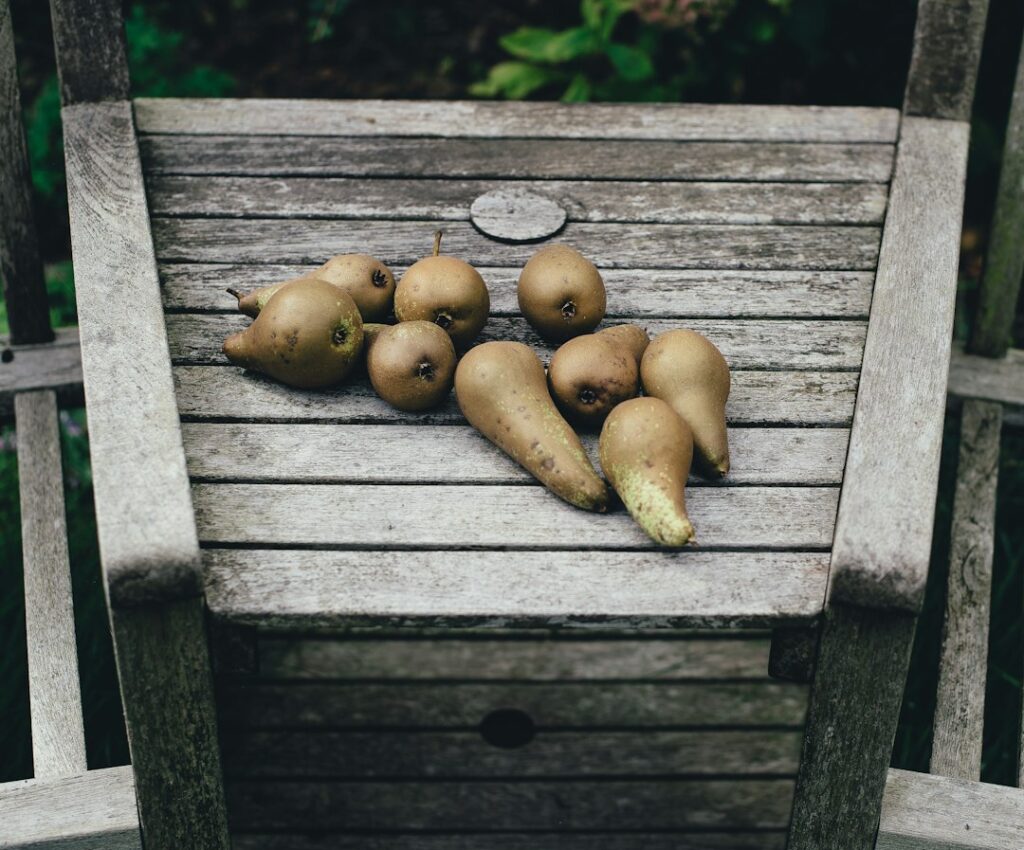
Yes, potatoes are low FODMAP. Monash University lists potato as a low FODMAP vegetable, with a standard serve of 75 g (about 2.65 oz). When potatoes upset IBS, the cause is usually something added to them, such as onion, garlic, milk, cream or wheat. Boiled, baked or roasted potatoes are the gentlest choices.
In this article
- Are potatoes low FODMAP?
- How much potato can you eat with IBS?
- Why do potatoes sometimes upset my stomach?
- Are potatoes good for your gut?
- Are potatoes healthy or bad for blood sugar?
- Are potatoes good for the low FODMAP diet?
- How can you enjoy potatoes on a low FODMAP diet?
- Frequently asked questions
- What I want you to remember
The humble potato is one of the safest foods on a low FODMAP plate. Yet many people with IBS still feel bloated after potato dishes. The potato is rarely the problem. The trouble usually hides in what we add to it.
So are potatoes low FODMAP? Yes. In this guide I explain the safe portion and the hidden triggers in mash, chips and fries. I also share a cooking trick that may help your gut bacteria.
Are potatoes low FODMAP?
Yes, potatoes are low FODMAP. Monash University, the team that created the low FODMAP diet, lists potato among its low FODMAP vegetables. Its page of high and low FODMAP foods names potato as a low FODMAP alternative to high FODMAP vegetables.
Its 2025 low FODMAP shopping list places potato with carrot, parsnip and other roots and tubers. These are low FODMAP at one standard serve of 75 g (about 2.65 oz).
Monash does not give an upper limit for potato on its public pages. Serving advice can change after new lab tests, so check the Monash app for the latest details.
How much potato can you eat with IBS?
Start with a normal portion, such as one small to medium potato, and see how you feel. Monash’s public pages do not flag a FODMAP that builds up in bigger potato portions.
That is different from its orange cousin. My guide to sweet potato and FODMAPs explains why that one has a clear portion limit. If you want a big serving of mash, regular potato is the easier choice.
Large portions of any starchy food can still leave you feeling full and heavy. A very big meal can stretch a sensitive gut. Keep potato as one part of a balanced plate with protein and vegetables.
Why do potatoes sometimes upset my stomach?
Potatoes usually upset IBS because of the ingredients cooked with them, not the potato itself. These are the most common hidden triggers I look for.
- Onion and garlic. They are often in roast potato seasoning, gravy, potato salad and soups. Both are high in fructans. Read my guides to onion and garlic for safe swaps.
- Milk and cream in mash. These carry lactose, a common trigger for some people with IBS. My guide to lactose and IBS explains how to test your tolerance.
- Wheat. Gnocchi, potato bread, croquettes and battered fries often contain wheat flour, which carries fructans.
- Flavoured crisps and chips. Many flavours use onion powder, garlic powder or milk powder. Plain salted ones are the simplest choice.
- Lots of fat. Deep-fried potatoes and rich gratins are heavy, and in my view they can sit heavily on a sensitive gut.
Try this
- Make mash with lactose-free milk, a little butter and chives.
- Roast potatoes in garlic-infused oil with rosemary, paprika and salt.
- Check the label on frozen fries and potato products for onion, garlic and wheat.
Are potatoes good for your gut?
Yes, potatoes can support your gut, especially when you cook and cool them. I strongly believe gut health shapes nearly every part of our health, and everyday foods like potatoes can play a quiet part.
According to USDA data, 100 g (about 3.5 oz) of baked potato with its skin has 2.2 g of fibre. It also has 535 mg of potassium and 93 calories. Keep the skin on for a little more fibre.
The cooled potato trick
When cooked potatoes cool down, some of their starch changes into resistant starch. This starch escapes digestion in your small bowel and reaches your gut bacteria, which ferment it.
A 2016 study tested 3 common potato varieties. Baked potatoes had more resistant starch than boiled ones. Chilled potatoes had more than hot or reheated ones. The variety made no real difference.
Resistant starch from potato has also been tested as a supplement. In a 2023 trial, healthy adults took 3.5 g a day of a branded resistant potato starch for 4 weeks. Compared with a placebo, it raised friendly Bifidobacterium and Akkermansia bacteria. It also cut stools linked to both diarrhoea and constipation.
A 2026 repeat trial in 70 healthy adults confirmed the rise in Bifidobacterium and more normal stools. It did not confirm the change in Akkermansia, which was its main goal. Both trials tested a purified supplement in healthy people, not cooked potatoes in people with IBS.
A note of caution for IBS
Fermentation means gas. In a small 2022 pilot trial, 6 people with IBS took 10 to 20 g a day of resistant starch. Every dose led to more bloating, though most people tolerated it overall.
So if cold potato salad leaves you bloated, eat your potatoes warm. Then try small amounts of cooled potato later, once your gut is calmer.
Are potatoes healthy or bad for blood sugar?
Potatoes can raise blood sugar quickly, but how you cook and serve them makes a big difference. In a 2005 North American study, the glycaemic index of potatoes ranged from 56 to 89.
Boiled red potatoes eaten cold scored lowest, at 56. The same potatoes eaten hot scored 89, and instant mash scored 88. Precooking and eating them cold or reheated was the authors’ advice to lower the score.
A 2019 trial backed this up. Thirty women with raised fasting blood sugar ate 250 g (about 9 oz) of either boiled potato or baked then chilled potato. The chilled potato gave lower blood sugar and insulin in the first 30 minutes.
A large 2025 study in the BMJ followed 205,107 US adults for decades. Eating 3 more servings of French fries a week was linked to a 20% higher risk of type 2 diabetes. Baked, boiled or mashed potatoes were not clearly linked to a higher risk.
Swapping potatoes for whole grains was linked to a lower risk. This kind of study shows links, not cause and effect. My view is simple. Enjoy boiled, baked or roasted potatoes, and keep fries for now and then.
Are potatoes good for the low FODMAP diet?
Yes, potatoes are one of the most useful staples during the strict phase of the low FODMAP diet. They are filling, cheap, easy to find around the world and gentle on most guts.
The diet itself works well for many people. A 2022 review in Gut ranked it first among the diets tested for IBS symptoms. But a strict version can lower friendly gut bacteria. A 2022 review in the American Journal of Clinical Nutrition found it reduced Bifidobacteria in people with IBS.
That is why the strict phase should be short. Potatoes help you get through it with fewer cravings, while you reintroduce other foods. My guide to the low FODMAP diet phases explains each step.
How can you enjoy potatoes on a low FODMAP diet?
Potatoes fit easily into breakfast, lunch and dinner. Here are simple ideas.
- Breakfast. Leftover boiled potato fried in a little olive oil with eggs and spinach.
- Lunch. Cooled potato salad with lactose-free yogurt, chives, mustard and a squeeze of lemon.
- Dinner. Baked potato with tuna or grilled chicken, a green salad and a drizzle of olive oil.
- Holiday table. Garlic-infused oil roast potatoes. My low FODMAP Thanksgiving plan has a full menu.
Rice is another easy staple. My guide to rice and FODMAPs covers portions. To test your food knowledge in a fun way, play my Feed the Tummy game. For the full picture, read my complete IBS diet guide.
Frequently asked questions
Are mashed potatoes low FODMAP?
The potato itself is low FODMAP, so mash can be too. The risk comes from regular milk, cream and garlic. Make it with lactose-free milk, a little butter and chives, or a splash of garlic-infused oil. Check ready-made mash for milk powder, onion and garlic.
Are French fries low FODMAP?
Plain fries made from potato, oil and salt contain no high FODMAP ingredients. Some frozen and restaurant fries use batter or seasoning with wheat, onion or garlic, so check the label or ask. Fried food is also heavy, which can bother some people with IBS.
Are potato skins low FODMAP?
Potato skins are part of the same low FODMAP vegetable, and they add a little extra fibre. If you have IBS-D or a flare, peeled potatoes may feel gentler at first. Add the skins back as your gut settles.
Are potato chips or crisps low FODMAP?
Plain salted chips or crisps are usually the safest choice, because they contain only potato, oil and salt. Flavoured ones often include onion powder, garlic powder or milk powder. Always read the ingredients, and keep portions sensible because they are high in fat and salt.
What I want you to remember
Potatoes are low FODMAP and one of the kindest staples for an IBS gut. If they seem to upset you, look at the onion, garlic, milk, wheat or fat that came with them.
Boiled, baked or roasted potatoes are better choices than fries. Cooked and cooled potatoes carry more resistant starch for your gut bacteria, but start small if you bloat easily. If you want a calm, guided reset for your gut, join my free 30-Day Calm Gut Challenge.
Sources
- Monash University. High and low FODMAP foods
- Valentine C. Low FODMAP shopping list. Monash University FODMAP blog, 2025
- USDA FoodData Central. Potatoes, baked, flesh and skin, without salt (SR Legacy 170093)
- USDA FoodData Central. Potatoes, boiled, cooked in skin, flesh, without salt (SR Legacy 170438)
- Raatz SK, et al. Resistant starch analysis of commonly consumed potatoes. Content varies by cooking method and service temperature but not by variety. Food Chemistry, 2016
- Bush JR, et al. Consumption of Solnul resistant potato starch produces a prebiotic effect in a randomized, placebo-controlled clinical trial. Nutrients, 2023
- Bush JR, et al. Examining the gastrointestinal effects of Solnul, a prebiotic resistant potato starch. A replication randomized, double-blind, placebo-controlled clinical trial in healthy adults. Nutrients, 2026
- So D, et al. Evaluating tolerability of resistant starch 2, alone and in combination with minimally fermented fibre for patients with irritable bowel syndrome. A pilot randomised controlled cross-over trial. Journal of Nutritional Science, 2022
- Fernandes G, et al. Glycemic index of potatoes commonly consumed in North America. Journal of the American Dietetic Association, 2005
- Patterson MA, et al. Chilled potatoes decrease postprandial glucose, insulin, and glucose-dependent insulinotropic peptide compared to boiled potatoes in females with elevated fasting glucose and insulin. Nutrients, 2019
- Mousavi SM, et al. Total and specific potato intake and risk of type 2 diabetes. Results from three US cohort studies and a substitution meta-analysis of prospective cohorts. BMJ, 2025
- Black CJ, et al. Efficacy of a low FODMAP diet in irritable bowel syndrome. Systematic review and network meta-analysis. Gut, 2022
- So D, et al. Effects of a low FODMAP diet on the colonic microbiome in irritable bowel syndrome. A systematic review with meta-analysis. American Journal of Clinical Nutrition, 2022
This article shares general information. It is not a diagnosis or a treatment plan. Please talk to your own doctor before you change your diet, medicines or supplements.

Dt. Hashika Vyas
Hashika is a dietitian who works with clients in 15+ countries on gut health, PCOS and weight. She healed her own IBS, and writes every guide on this site to be calm, clear and practical.