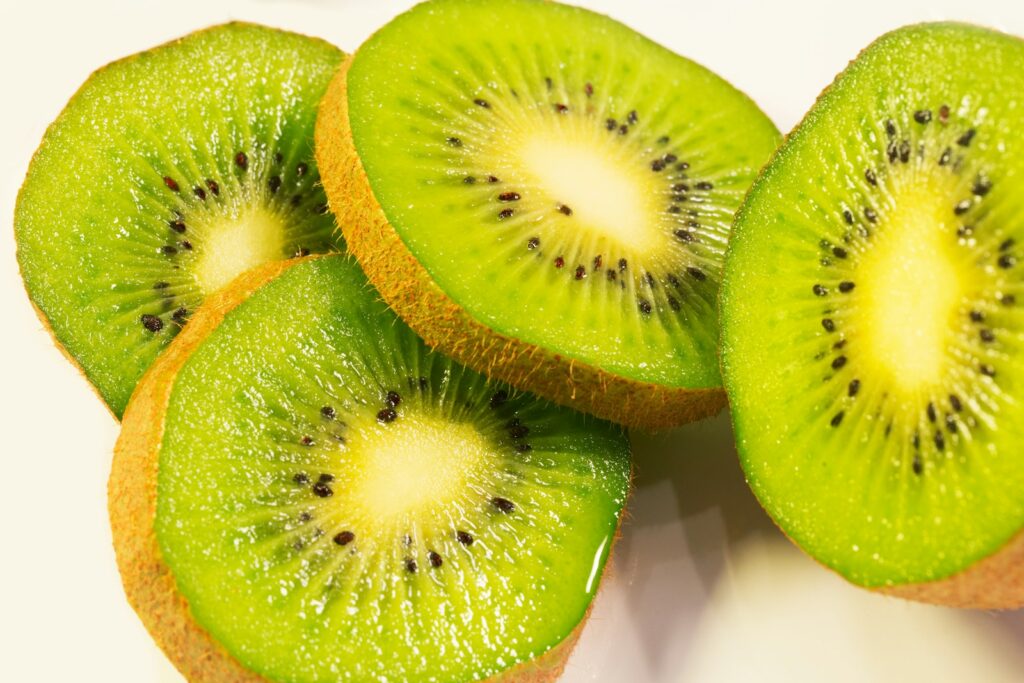
For IBS constipation, start with 2 green kiwifruits a day, which improved bowel movements and comfort in a 2023 trial. Add psyllium slowly with plenty of water, drink enough fluids, move daily and raise your feet on a stool on the toilet. If nothing changes in 4 to 8 weeks, see your doctor.
In this article
- What helps IBS constipation the most?
- Why do kiwifruits work so well for IBS-C?
- How do you take psyllium without bloating?
- Do prunes, rye bread and mineral water help?
- Does the low FODMAP diet help IBS constipation?
- What do your gut bacteria have to do with constipation?
- Can toilet habits really make a difference?
- Does exercise help IBS constipation?
- Calm the gut-brain loop
- When to talk to your doctor about medicines
- Frequently asked questions
- What I want you to remember
Two green kiwifruits a day. That simple habit added about 1.7 extra complete bowel movements a week for people with IBS constipation in a 2023 international trial. It also eased their belly discomfort, with no serious side effects.
If you live with IBS constipation, you know it is more than going less often. It is the bloating, the straining, the pain and the feeling that you never quite finish. This guide covers what the newest research says really works, from kiwi and psyllium to toilet posture and your gut bacteria.
What helps IBS constipation the most?
The best first steps for IBS constipation are two green kiwifruits a day, a slowly increased dose of psyllium, enough water and regular movement. Prunes, rye bread and mineral water rich in magnesium also have some evidence. If symptoms continue, a doctor can check your pelvic floor and suggest medicines.
Doctors call it IBS-C. It means hard or lumpy stools on many of your bad days, together with belly pain linked to going to the toilet. That pain is what sets IBS-C apart from ordinary chronic constipation, although the two overlap a lot and often respond to the same foods.
Please see a doctor first if you notice any warning signs. These include blood in your stool, weight loss you cannot explain or a family history of bowel cancer. A sudden change in bowel habit after age 45 needs checking too.
Why do kiwifruits work so well for IBS-C?
Green kiwifruit has the best research of any single food for constipation, and it is gentle on the gut. It softens stools and makes bowel movements easier without the gas that many fibre powders cause.
The 2023 trial ran in New Zealand, Japan and Italy. For 4 weeks, 184 adults ate 2 green kiwifruits a day or took 7.5 g of psyllium. Then they switched. The group included 61 people with IBS-C. On kiwifruit, they gained about 1.7 complete bowel movements per week and reported better gut comfort.
A 2021 US trial compared kiwifruit, prunes and psyllium in 79 adults with chronic constipation. All three increased complete bowel movements. Kiwifruit improved bloating, caused the fewest side effects and left the fewest people dissatisfied.
A 2024 review of 23 studies pulled the evidence on foods together. Fruits, and kiwifruit in particular, led to slightly more bowel movements per week than psyllium.
Try this. Eat 2 ripe green kiwifruits a day, for example one after breakfast and one in the afternoon. Some people eat the skin for extra fibre. Give it a full 4 weeks before you judge it.
How do you take psyllium without bloating?
Start small, build up slowly and drink plenty of water with it. Psyllium is a soluble fibre that forms a gel and holds water in your stool. It is the fibre with the strongest evidence in IBS.
In a 2009 trial in the BMJ, 275 people with IBS took psyllium, wheat bran or a dummy powder. In the first month, 57% improved on psyllium compared with 35% on the dummy powder. Bran did not help as clearly, and people dropped out of the bran group most often because their symptoms got worse.
A 2022 review of 16 trials with 1,251 people looked at fibre for chronic constipation. About 66% responded to fibre compared with 41% on a control. Psyllium worked best, and benefits showed up mainly at more than 10 g a day for at least 4 weeks. Wind was more common with fibre, which is why going slowly matters.
Newer research also suggests psyllium may calm gas. In a small 2026 MRI study of 22 healthy volunteers, psyllium gel reduced the gas made in the colon from a fermentable fibre called inulin.
Try this. Begin with 1 teaspoon of psyllium husk in a large glass of water once a day. Every 4 to 5 days, add a little more. The 2022 review found the best results at more than 10 g a day, so build towards that if your gut is happy. Always drink it with water, never dry.
Do prunes, rye bread and mineral water help?
They can, but each comes with a caution for people with IBS. The 2025 British Dietetic Association guidelines, the first full dietary guidelines for chronic constipation, include all three among their options.
Prunes
A 2019 trial included 120 adults who ate little fibre. Eating 80 to 120 g (about 3 to 4 oz) of prunes daily increased their stool weight and frequency. Prunes also contain sorbitol, a sugar alcohol that bloats some people with IBS. The prune groups in that trial reported more wind.
Try this. Start with 2 or 3 prunes a day and see how you feel before eating more.
Rye bread
In the 2024 review, rye bread led to more bowel movements than white bread. Rye is also rich in fructans, a common IBS trigger. If you know fructans upset you, test a single slice first.
Mineral water rich in magnesium
Some bottled waters are naturally high in magnesium and sulfate. A 2026 trial tested this kind of water in adults with chronic constipation. Drinking 1 litre (about 34 fl oz) a day increased bowel movements at week 2. The difference was no longer significant at week 3, which was the main goal of the study.
So the effect looks real but modest. Check the label for magnesium content, and ask your doctor first if you have kidney disease.
Does the low FODMAP diet help IBS constipation?
It can help pain and bloating, even in IBS-C, but it may not fix constipation on its own. Many high FODMAP foods are also high in fibre, so a strict diet can make constipation worse if you are not careful.
In a 2024 US study, 75% of people with IBS-C had a meaningful drop in symptoms after 2 to 4 weeks of low FODMAP eating. That compared with 90% of people with IBS-D. People with IBS-C saw less improvement in how satisfied they felt with their bowel movements.
A 2026 UK clinic evaluation of 294 people found that IBS-C and IBS-D had similar relief after a low FODMAP diet. Almost half of the people with IBS-C, 44.9%, moved to more normal stools. Both studies were not randomised, so the results need confirming in controlled trials.
Try this. If you try low FODMAP eating, keep your kiwifruit, oats, chia seeds and psyllium so your fibre stays up. My complete IBS diet guide shows how to bring foods back after 2 to 6 weeks.
What do your gut bacteria have to do with constipation?
I strongly believe gut health plays a major role in nearly every health condition, and constipation shows this clearly. The microbes in your colon help decide how fast things move and how soft your stool is.
Some gut microbes make methane gas. The American College of Gastroenterology’s 2020 guideline on bacterial overgrowth links an overgrowth of these methane makers to constipation. A breath test can check for it if your doctor thinks it is relevant.
Food can shift your microbes too. In the 2019 prune trial, the prune groups saw a rise in Bifidobacterium, a helpful group of bacteria. A 2019 review of 24 studies also found that people with IBS tended to have fewer Bifidobacterium than people without IBS.
Fibre is food for these bacteria. That is why I never want my clients to cut fibre for long. Instead, we find the types and amounts their gut can handle and build from there.
Try this. Aim for a mix of plant foods each week, like oats, kiwifruit, berries, carrots, spinach, quinoa, seeds and small portions of lentils. My Gut Garden game helps you count them.
Can toilet habits really make a difference?
Yes, and they cost nothing. How you sit and how much time you give yourself both matter.
In a 2019 study of 52 adults, using a small footstool to raise the knees made bowel movements quicker. People also strained less and felt more often that they had fully emptied. The study was in healthy volunteers, but it is a cheap and safe thing to try.
If you strain a lot, feel blocked or need to press on your belly to go, tell your doctor. The 2021 ACG guideline suggests testing for pelvic floor problems in IBS with stubborn constipation. Biofeedback therapy can retrain those muscles.
Try this. Rest your feet on a stool so your knees are higher than your hips. Lean forward slightly, breathe out slowly and give yourself time without your phone.
Does exercise help IBS constipation?
Regular movement helps IBS symptoms overall. A Swedish trial put 102 people with IBS into two groups, more physical activity or their usual routine. After 12 weeks, the active group’s symptom scores improved clearly, while the control group’s barely changed.
Try this. Take a 10 to 20 minute walk after meals on most days. Gentle yoga and stretching are good too, especially on days you feel bloated.
Calm the gut-brain loop
Stress can slow the gut down as well as speed it up. A 2024 review of 42 trials with 5,220 people found that brain-gut therapies, like cognitive behavioural therapy and gut-directed hypnotherapy, reduced IBS belly pain.
Global traditional Ayurveda also values a calm, regular daily rhythm, with warm meals at steady times. Modern IBS advice agrees on regular meals, even if the old texts have not been tested in trials. My Breathe With Me tool and the 30-Day Calm Gut Challenge can help you build that rhythm.
When to talk to your doctor about medicines
Food and habits help many people, but some need more. If you have tried kiwifruit, psyllium, water and movement for 4 to 8 weeks with little change, speak to your doctor. There are laxatives and prescription medicines made for IBS-C.
Please avoid using strong laxatives every day without advice. Your doctor can choose the right option for you.
Some days may swing to diarrhoea too. If so, read my guide to the IBS diarrhoea diet, and keep my plan for calming an IBS flare-up close.
Frequently asked questions
How many kiwis a day should I eat for IBS constipation?
Two green kiwifruits a day is the amount tested in the main trials. In a 2023 trial, people with IBS-C who ate 2 a day had about 1.7 more complete bowel movements per week. Give it at least 4 weeks.
Is psyllium or kiwi better for IBS-C?
Both work. Kiwifruit caused fewer side effects and less dissatisfaction in a 2021 trial, while psyllium has more research overall. Many people do well with both, as long as they build psyllium up slowly with plenty of water.
Why does fibre make my IBS bloating worse?
Some fibres ferment quickly and make gas, and adding a lot at once can overwhelm a sensitive gut. Choose soluble fibre like psyllium, start with a small dose and increase it slowly. Wheat bran is more likely to cause trouble.
Can magnesium help IBS constipation?
The 2025 British Dietetic Association guidelines include magnesium oxide supplements and magnesium-rich mineral water as options for chronic constipation. Speak to your doctor before taking magnesium supplements, especially if you have kidney problems or take other medicines.
Does the low FODMAP diet make constipation worse?
It can if it cuts your fibre too much. Recent clinic studies show many people with IBS-C still improve on it. Keep low FODMAP fibre sources like kiwifruit, oats, chia seeds and psyllium in your meals.
What I want you to remember
IBS constipation can feel stubborn, but simple steps have real evidence behind them. Start with 2 kiwifruits a day, add psyllium slowly, drink enough water and move your body every day.
Sit with your feet raised, give yourself time and look after your gut bacteria with a variety of plant foods. If things do not improve in a few weeks, ask your doctor about your pelvic floor and other treatments.
Curious which foods are triggers and which are safe? Play Trigger or Safe, then explore all my IBS guides.
Sources
- Gearry R, et al. Consumption of 2 green kiwifruits daily improves constipation and abdominal comfort. American Journal of Gastroenterology, 2023
- Chey SW, et al. Exploratory comparative effectiveness trial of green kiwifruit, psyllium or prunes in US patients with chronic constipation. American Journal of Gastroenterology, 2021
- van der Schoot A, et al. Systematic review and meta-analysis. Foods, drinks and diets and their effect on chronic constipation in adults. Alimentary Pharmacology and Therapeutics, 2024
- Dimidi E, et al. British Dietetic Association guidelines for the dietary management of chronic constipation in adults. Journal of Human Nutrition and Dietetics, 2025
- Bijkerk CJ, et al. Soluble or insoluble fibre in irritable bowel syndrome in primary care? BMJ, 2009
- van der Schoot A, et al. The effect of fiber supplementation on chronic constipation in adults. Updated systematic review and meta-analysis. American Journal of Clinical Nutrition, 2022
- Dellschaft N, et al. Randomised placebo-controlled trial of methylcellulose and psyllium gels on inulin-induced colonic gas. Alimentary Pharmacology and Therapeutics, 2026
- Lever E, et al. The effect of prunes on stool output, gut transit time and gastrointestinal microbiota. A randomised controlled trial. Clinical Nutrition, 2019
- Mansouri K, et al. Daily consumption of sulfate- and magnesium-rich mineral water enhances bowel function in adults with chronic constipation. Frontiers in Nutrition, 2026
- Dean G, et al. A diet low in FODMAPs improves abdominal and overall symptoms in persons with all subtypes of IBS. Neurogastroenterology and Motility, 2024
- Martin LD, Fragkos KC. The FODMAP diet is effective in irritable bowel syndrome with constipation. Journal of Neurogastroenterology and Motility, 2026
- Pimentel M, et al. ACG clinical guideline. Small intestinal bacterial overgrowth. American Journal of Gastroenterology, 2020
- Pittayanon R, et al. Gut microbiota in patients with irritable bowel syndrome. A systematic review. Gastroenterology, 2019
- Modi RM, et al. Implementation of a defecation posture modification device. Journal of Clinical Gastroenterology, 2019
- Lacy BE, et al. ACG clinical guideline. Management of irritable bowel syndrome. American Journal of Gastroenterology, 2021
- Johannesson E, et al. Physical activity improves symptoms in irritable bowel syndrome. A randomized controlled trial. American Journal of Gastroenterology, 2011
- Goodoory VC, et al. Effect of brain-gut behavioral treatments on abdominal pain in IBS. Systematic review and network meta-analysis. Gastroenterology, 2024
- National Institute for Health and Care Excellence. Irritable bowel syndrome in adults. Diagnosis and management (CG61)
This article shares general information. It is not a diagnosis or a treatment plan. Please talk to your own doctor before you change your diet, medicines or supplements.

Dt. Hashika Vyas
Hashika is a dietitian who works with clients in 15+ countries on gut health, PCOS and weight. She healed her own IBS, and writes every guide on this site to be calm, clear and practical.