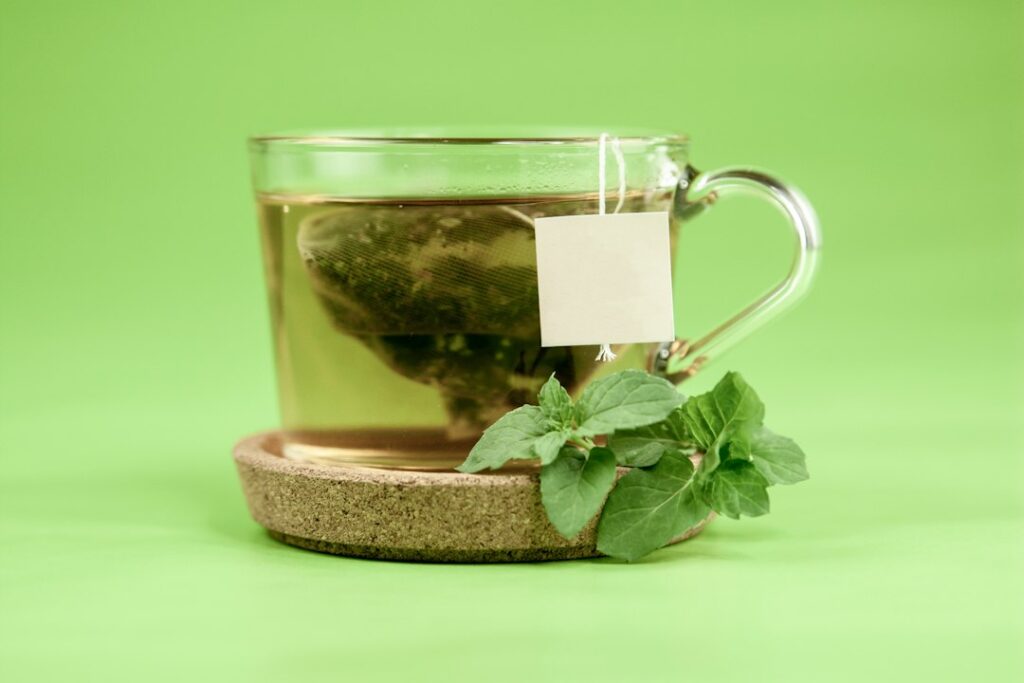
Peppermint oil for IBS can ease belly pain, cramps and overall symptoms for many people. Reviews of 10 to 12 trials found it beat placebo, though the evidence quality is low. US and UK guidelines suggest enteric-coated capsules for 2 to 12 weeks. Heartburn is the main side effect.
In this article
- Does peppermint oil work for IBS?
- Why did a big 2020 trial disappoint?
- What do IBS guidelines say about peppermint oil?
- How does peppermint oil calm the gut?
- Which type of peppermint oil should you take for IBS?
- How do you take peppermint oil for IBS?
- What are the side effects of peppermint oil?
- Does peppermint oil help bloating?
- Frequently asked questions
- What I want you to remember
Peppermint oil is the only plant remedy that IBS guidelines in the US, the UK and Europe agree on. In 2020, a review of 51 trials ranked peppermint oil capsules first for easing overall IBS symptoms, ahead of some common prescription medicines.
Yet the largest recent trial in adults missed its main goal. So does peppermint oil for IBS really work? Here is what the research shows, which type of capsule to choose, how to take it and who should skip it.
Does peppermint oil work for IBS?
Yes, for many people it does, but the effect is modest and the quality of the evidence is low. It works best for belly pain, cramps and overall symptoms over a few weeks.
A 2019 review pooled 12 trials with 835 adults. People who took it were more likely to feel better than people on a dummy pill. For every 3 people treated, 1 more person had relief from overall symptoms. For pain, the number was 1 in 4.
A 2022 review by a leading IBS research group pooled 10 trials with 1,030 people. The oil still beat placebo. For every 4 people treated, 1 more improved overall. For pain, it was 1 in 7. The authors rated the quality of the evidence as very low and asked for bigger trials.
A 2026 review of 60 studies on plant remedies for IBS reached the same view. Peppermint oil did better than placebo across 7 trials and had a good safety record.
Why did a big 2020 trial disappoint?
The trial set a strict bar, and peppermint oil did not clear it. In the Netherlands, 190 adults with IBS took a 182 mg capsule or a placebo for 8 weeks.
The main goal was at least 30% less pain on most weeks. That happened in 46.8% of people on a capsule that opens in the small intestine and in 34.4% on placebo. The gap was too small to count as proof.
Look closer, though, and the same capsule did ease pain, discomfort and IBS severity on other measures. A second capsule that opens lower down, near the colon, did not help. So where the oil is released seems to matter.
I share this because honest evidence builds trust. It is not a miracle. It is a cheap, gentle option that helps some people a lot and others very little.
What do IBS guidelines say about peppermint oil?
The American College of Gastroenterology 2021 guideline suggests peppermint oil for short-term relief of overall IBS symptoms, for 2 to 12 weeks. It advises enteric-coated capsules, not liquid drops. The recommendation is conditional and based on low quality evidence.
The British Society of Gastroenterology 2021 guideline also lists peppermint oil as a first-line option for overall symptoms and belly pain. It is a weak recommendation, and the guideline notes that reflux is a common side effect.
In the UK, the NHS page on IBS suggests you ask a pharmacist about peppermint oil for bloating, cramps and wind. That page was last reviewed in March 2025.
How does peppermint oil calm the gut?
The main active part of the oil is menthol. A 2026 review explains that menthol blocks calcium channels in the smooth muscle of the gut wall. This relaxes the muscle and eases spasms in the colon.
Menthol also acts on nerves in the gut, which may turn down pain signals. I strongly believe gut health plays a major role in nearly every health condition. IBS is a clear example of the gut and brain talking to each other.
A 2026 analysis of 29 trials compared IBS medicines for pain and mood. Small-intestinal-release peppermint oil was among the options with the strongest effect on anxiety. These were small studies, so I see this as a promising hint, not proof.
If stress makes your gut worse, my guide to IBS and anxiety explains the gut and brain loop and what helps.
Which type of peppermint oil should you take for IBS?
Choose enteric-coated peppermint oil capsules. The coating stops the oil from opening in your food pipe or stomach, where it can cause heartburn.
- Enteric-coated capsules are what most trials tested and what the ACG guideline advises.
- Small-intestine release capsules did better than colon-release ones in the 2020 Dutch trial.
- Liquid drops or loose oil are not advised for IBS. Never swallow pure essential oil.
- Peppermint tea is soothing and gentle, but it has not been tested in IBS trials. It is not the same as a capsule.
- Peppermint sweets did no better than a placebo in a 2026 trial in children with IBS.
How do you take peppermint oil for IBS?
Follow the dose on the pack or the advice of your pharmacist or doctor. In the trials, adults usually took one capsule up to 3 times a day, often before meals.
A 2024 Japanese study gave adults one capsule 3 times a day before meals for 4 weeks. By week 4, 85.1% of 67 people said their symptoms had improved. It had no placebo group and was run by the maker, so the real effect is likely smaller.
A 2016 US trial included 72 adults with IBS-D or mixed IBS. Symptom scores fell by 40% after 4 weeks, compared with 24.3% on placebo. Some relief showed up within 24 hours. One author worked for the company that made the capsule.
Try this.
- Swallow capsules whole. Do not chew, crush or open them, or you lose the coating that protects your stomach.
- Give it 4 weeks. Most trials ran for 4 to 8 weeks, and guidelines talk about 2 to 12 weeks.
- Keep a simple diary. Score your pain, bloating and stools from 0 to 10 each day so you can see if it helps.
- Keep your food plan going. The capsules work alongside a good diet, not instead of it. My IBS diet guide shows how to find your triggers.
- Pair it with calm breathing. Try 5 minutes in my Breathe With Me exercise when cramps start.
What are the side effects of peppermint oil?
Side effects are usually mild and short. Heartburn is the most common. Other reports include minty burps and stools that smell of peppermint.
In the 2019 review, side effects were reported by 9.3% of people on peppermint oil and 6.1% on placebo. In the 2022 review, side effects were clearly more common with peppermint oil.
- If you have reflux or heartburn, the capsules may make it worse. Talk to your doctor first.
- If you are pregnant or breastfeeding, ask your doctor or midwife before you take it.
- If you take regular medicines, ask your pharmacist to check them first.
- For children, a 2026 trial in 228 children aged 8 to 18 found the capsules did not beat placebo. Speak to your child’s doctor first.
Does peppermint oil help bloating?
It may, but bloating is not what most trials measured. Most studies looked at overall symptoms and pain. The NHS lists peppermint oil as an option to ask a pharmacist about for bloating, cramps and wind.
Bloating has many causes, from constipation to gas from certain foods. My guide to bloating causes helps you find yours. If your stools are hard or rare, fibre such as psyllium may help more. I explain how in psyllium husk for IBS.
Frequently asked questions
How long does peppermint oil take to work for IBS?
Some people feel a change within a day or two, and one trial saw early relief within 24 hours. Most trials measured results after 4 to 8 weeks. Give it about 4 weeks before you decide.
Is peppermint oil good for IBS with diarrhoea?
Trials have included people with diarrhoea, constipation and mixed IBS. A 2016 trial in IBS-D and mixed IBS found a clear drop in symptom scores. For more ideas, read my IBS diarrhoea diet guide.
Can I drink peppermint tea instead of taking capsules?
Peppermint tea is a gentle, warm drink, and many people with IBS enjoy it. It has not been tested in IBS trials, and it is not the same as a coated capsule. It may still be a nice part of a calm routine.
Can I take peppermint oil every day?
Most trials lasted up to 8 weeks, and guidelines support short courses of 2 to 12 weeks. We do not have good data on many months of use. Talk to your doctor if you want to keep taking it.
Is peppermint oil better than other IBS treatments?
In a 2020 review of 51 trials, peppermint oil ranked first for overall symptoms among fibre, antispasmodics and gut-brain medicines. Only 13 of those trials were at low risk of bias, so the ranking is uncertain.
What I want you to remember
Peppermint oil is a cheap, gentle and guideline-backed option for IBS pain and cramps. Choose enteric-coated capsules, swallow them whole and give them about 4 weeks. Skip it or ask your doctor first if you have reflux, are pregnant or take regular medicines.
It is one tool, not the whole plan. Food, sleep, stress and your gut bacteria all matter. Test what you know in the Trigger or Safe game, and join my free 30-Day Calm Gut Challenge.
Sources
- Alammar N, et al. The impact of peppermint oil on the irritable bowel syndrome. A meta-analysis of the pooled clinical data. BMC Complementary and Alternative Medicine, 2019
- Ingrosso MR, et al. Systematic review and meta-analysis. Efficacy of peppermint oil in irritable bowel syndrome. Alimentary Pharmacology and Therapeutics, 2022
- Meyer A, et al. Systematic review and meta-analysis. Plant-based therapy for irritable bowel syndrome. Phytotherapy Research, 2026
- Black CJ, et al. Efficacy of soluble fibre, antispasmodic drugs, and gut-brain neuromodulators in irritable bowel syndrome. A systematic review and network meta-analysis. Lancet Gastroenterology and Hepatology, 2020
- Weerts ZZRM, et al. Efficacy and safety of peppermint oil in a randomized, double-blind trial of patients with irritable bowel syndrome. Gastroenterology, 2020
- Lacy BE, et al. ACG clinical guideline. Management of irritable bowel syndrome. American Journal of Gastroenterology, 2021
- Vasant DH, et al. British Society of Gastroenterology guidelines on the management of irritable bowel syndrome. Gut, 2021
- NHS. Irritable bowel syndrome (IBS). Diet, lifestyle and medicines, reviewed 2025
- Pastras P, et al. Plant-derived treatments for IBS. Clinical outcomes, mechanistic insights, and their position in international guidelines. Nutrients, 2026
- Ismaiel A, et al. Comparative effectiveness of antispasmodics and antidepressants in irritable bowel syndrome. Systematic review and network meta-analysis. Journal of Gastrointestinal and Liver Diseases, 2026
- Matsueda K, et al. Efficacy and safety of peppermint oil for the treatment in Japanese patients with irritable bowel syndrome. Biopsychosocial Medicine, 2024
- Cash BD, Epstein MS, Shah SM. A novel delivery system of peppermint oil is an effective therapy for irritable bowel syndrome symptoms. Digestive Diseases and Sciences, 2016
- Khanna R, MacDonald JK, Levesque BG. Peppermint oil for the treatment of irritable bowel syndrome. A systematic review and meta-analysis. Journal of Clinical Gastroenterology, 2014
- Vermeijden NK, et al. Peppermint oil and sweets in pediatric irritable bowel syndrome and functional abdominal pain. A randomized trial. Clinical Gastroenterology and Hepatology, 2026
This article shares general information. It is not a diagnosis or a treatment plan. Please talk to your own doctor before you change your diet, medicines or supplements.

Dt. Hashika Vyas
Hashika is a dietitian who works with clients in 15+ countries on gut health, PCOS and weight. She healed her own IBS, and writes every guide on this site to be calm, clear and practical.