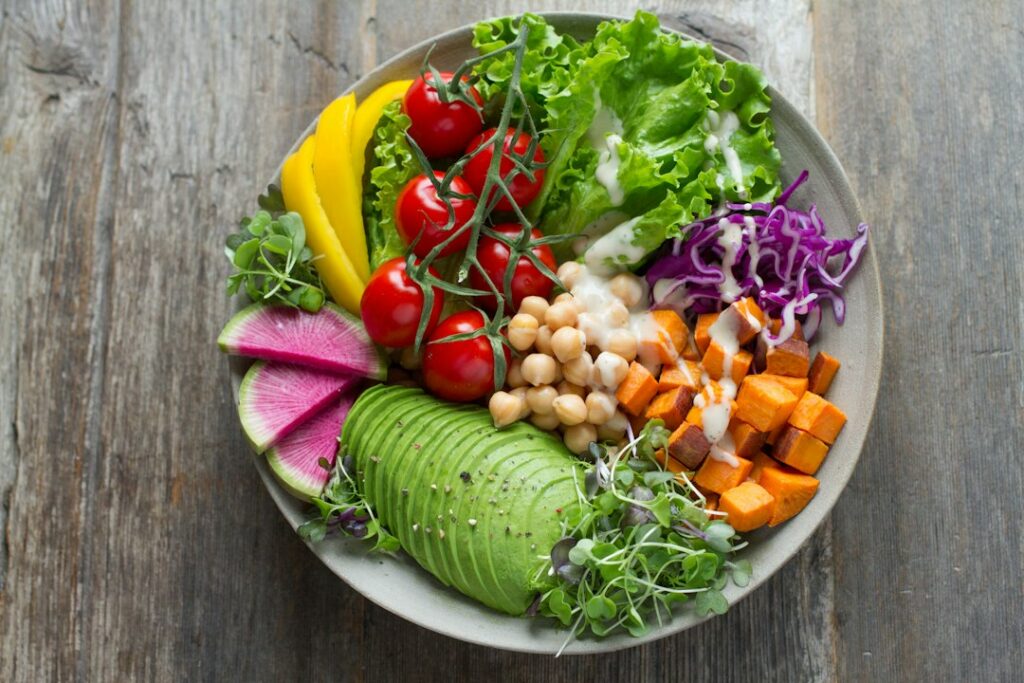
To improve gut health, eat 25 to 29 g of fibre a day, aim for 30 different plants a week and add fermented foods such as yogurt or kefir. Move most days, sleep well and manage stress. Cut back on ultra-processed foods and sweeteners, and use antibiotics only when you truly need them.
In this article
- What does good gut health mean?
- How to improve gut health with food
- How do lifestyle habits affect your gut?
- What should you avoid if you want a healthy gut?
- Which foods are best for gut health?
- How long does it take to improve gut health?
- When should you see a doctor about your gut?
- A simple plan to start this week
- Frequently asked questions
- What I want you to remember
In a 2021 Stanford trial, adding fermented foods to the daily diet raised the variety of gut bacteria over 17 weeks. A high fibre diet did not, at least not in that time. Small, steady habits shape your gut more than any single superfood.
So how do you improve gut health? Feed your gut bacteria well, give them variety and protect them from things that harm them. I strongly believe gut health shapes nearly every part of our health. This guide explains how to improve gut health with 12 changes backed by research, with honest limits for each one.
What does good gut health mean?
Good gut health means your digestion feels comfortable and your gut bacteria are varied and well fed. Trillions of bacteria live in your large bowel. Together they are called the gut microbiome.
These bacteria break down fibre you cannot digest. In return they make short-chain fatty acids, such as butyrate, which help feed and protect your gut lining. A varied microbiome is often linked with better health, though scientists still debate what a perfect one looks like.
Signs your gut is doing well include regular, comfortable bowel movements, little bloating and steady energy after meals. My Gut Check game is a quick way to look at your own signs.
How to improve gut health with food
Food is the strongest daily tool you have. These six changes focus on what you put on your plate.
1. Eat more fibre, slowly
Fibre is the main food for your gut bacteria. A 2019 Lancet review looked at 185 long-term studies and 58 trials. Health benefits were greatest when people ate 25 to 29 g of fibre a day.
Most people eat less than that. Add fibre a little at a time, and drink enough water, so your gut can adjust without extra gas. Oats, beans, lentils, chickpeas, berries, nuts, seeds and whole grains are easy places to start.
If you have IBS, choose gentler fibres first. My guide to soluble vs insoluble fibre explains which types suit a sensitive gut. My fibermaxxing guide explains why going too fast can backfire.
2. Aim for 30 different plants a week
Variety matters as much as amount. The American Gut Project, published in 2018, collected stool samples from over 10,000 people. Those who ate more than 30 types of plants a week had different gut bacteria from those who ate 10 or fewer.
Plants include vegetables, fruit, whole grains, beans, nuts, seeds, herbs and spices. This was an observational study, so it shows a link, not proof. My 30 plants a week guide shows how to count them without changing your whole diet.
3. Add fermented foods
Fermented foods such as yogurt, kefir, sauerkraut, kimchi and kombucha contain live bacteria and the products they make. In the 2021 Stanford trial, 36 healthy adults ate either more fibre or more fermented foods.
The fermented food group slowly gained more types of gut bacteria. Several markers of inflammation in their blood went down. The group was small, so this needs testing in larger trials.
Start with a small serving a day and build up. My guides to fermented foods and kefir explain which ones to choose.
4. Eat in a Mediterranean style
A Mediterranean way of eating is rich in vegetables, beans, whole grains, fish, olive oil and nuts. The NU-AGE trial followed 612 older adults in five European countries for one year.
People who followed the diet closely had shifts in their gut bacteria. Those bacteria were linked with lower frailty, better thinking and fewer signs of inflammation. The trial was in older adults, so results may differ in younger people.
5. Cut back on ultra-processed foods
Many packaged foods contain emulsifiers, additives that keep oil and water mixed. A small 2022 trial in Gastroenterology gave 16 healthy adults a carefully controlled diet for 11 days.
Seven of them also got 15 g a day of an emulsifier called carboxymethylcellulose. That group had more belly discomfort after meals, less variety in their gut bacteria and fewer short-chain fatty acids. The dose was high and the trial was short, but it gives one more reason to cook from fresh foods where you can.
6. Go easy on sweeteners
Low and no calorie sweeteners are not as inert as once thought. A 2022 trial in Cell gave 120 healthy adults saccharin, sucralose, aspartame or stevia for 2 weeks, in doses below the official safe limits.
Each sweetener changed the gut bacteria. Saccharin and sucralose also worsened blood sugar responses, and the effect varied from person to person. Water, plain tea and coffee, or a little real sugar are simple swaps.
How do lifestyle habits affect your gut?
Your gut bacteria respond to how you move, sleep and handle stress, not only to food. These three changes cost nothing.
7. Move your body most days
A 2018 study took 32 inactive adults through 6 weeks of supervised exercise, 3 days a week. In lean adults, the gut bacteria made more short-chain fatty acids. The same rise did not happen in adults with obesity.
When people stopped exercising for 6 weeks, most of the changes faded. So the key is to keep moving. A brisk walk counts. My guide to exercise for IBS has gentle options.
8. Protect your sleep
A small 2019 study measured sleep with wrist trackers and checked stool samples. People with more varied gut bacteria slept longer and woke up less during the night.
This was an observational study, so we cannot say which came first. Still, a regular bedtime and 7 to 9 hours of sleep help nearly every part of your health, your gut included.
9. Calm your stress
Your gut and brain talk to each other all day through nerves, hormones and immune signals. Stress can speed up or slow down your gut and make it more sensitive.
I lived with IBS with diarrhoea myself, and stress was one of my biggest triggers. Slow breathing, a short walk and regular meals helped me more than any supplement. My guides to stress and gut health and the gut-brain axis explain more. For a quick reset, try my Breathe With Me game.
What should you avoid if you want a healthy gut?
Some common habits can set your gut bacteria back. These three changes are about avoiding harm.
10. Use antibiotics only when you need them
Antibiotics save lives, but they also hit helpful bacteria. A 2018 study gave 12 healthy men a strong 4-day course of three antibiotics. Their gut bacteria returned close to normal within about 1.5 months.
Yet 9 common species were still missing in most of them after 6 months. Never stop or skip an antibiotic your doctor prescribed. Just avoid asking for one for a cold or flu, which antibiotics do not treat.
11. Do not assume a probiotic will help
Probiotics are not a fix for everyone. A 2018 study in Cell found that after antibiotics, a multi-strain probiotic actually delayed the return of people’s own gut bacteria compared with no probiotic. The study was small.
Some probiotics help some conditions, but the strain matters. My guide to probiotics for IBS explains what the evidence shows. Food first is my usual advice.
12. Skip gut tests and cleanses
Home stool tests promise a gut health score, but their results are not reliable yet. A 2026 study sent the same reference stool sample to 7 test companies.
The results differed widely, both between companies and within the same company. The differences between companies were as large as the differences between different people. Colon cleanses have no good evidence either. My guide to gut health myths covers more.
Which foods are best for gut health?
The best foods for gut health are plants rich in fibre and polyphenols, plus fermented foods. No single food does it all, so mix them across the week.
- Beans, lentils and chickpeas. Rich in fibre that gut bacteria ferment into short-chain fatty acids. Start with small portions if they give you gas.
- Oats and barley. They contain beta-glucan, a soluble fibre that gut bacteria feed on.
- Berries, apples, pears and kiwifruit. Fruit gives fibre and polyphenols, plant compounds many gut bacteria use.
- Leafy greens, onions, leeks and garlic. These feed helpful bacteria. People with IBS may need smaller amounts of onion and garlic.
- Nuts and seeds. Walnuts, almonds, chia and flaxseed add fibre and healthy fats.
- Yogurt, kefir, sauerkraut and kimchi. Fermented foods bring live bacteria to the table.
- Olive oil, herbs and spices. They add polyphenols and count toward your weekly plant total.
Cooked and cooled potatoes, rice and pasta also hold some resistant starch, a type of fibre that reaches your large bowel. Frozen and canned vegetables, beans and fruit count too, so a healthy gut does not need an expensive shop.
How long does it take to improve gut health?
Your gut bacteria start to shift within days of a diet change. Lasting changes take weeks to months of steady habits.
In the studies above, changes showed up after 11 days, 2 weeks, 6 weeks, 17 weeks and one year. In the exercise study, most changes faded once people stopped. So think of gut health as a daily habit, not a one-off detox.
When should you see a doctor about your gut?
See a doctor if gut symptoms are new, severe or do not settle with simple changes. Some signs always need a check.
These include blood in your stool, black stools and losing 3 kg (about 7 lb) or more without trying. Ongoing vomiting, trouble swallowing and pain that wakes you at night need a check too. A lasting change in your bowel habit after age 50 also needs a check. If you live with IBS, my complete IBS diet guide is a good place to start.
A simple plan to start this week
Do not try all 12 changes at once. Pick two or three and build from there.
- Day 1 to 2. Add one extra plant to each meal, such as a handful of berries, spinach or seeds.
- Day 3 to 4. Add a small serving of yogurt or kefir. Use a lactose-free option if dairy bothers you.
- Day 5. Swap one packaged snack for fruit and nuts.
- Day 6. Take a 20 minute walk after a meal.
- Day 7. Count the different plants you ate this week and aim for a few more next week.
Try this today. Plant your own garden of habits in my Gut Garden game and track your plants as you go.
Frequently asked questions
What are the signs of an unhealthy gut?
Common signs include ongoing bloating, gas, constipation, diarrhoea, belly pain and heartburn. These are not specific, so they can have many causes. If they last more than a few weeks or come with weight loss or blood, see a doctor.
What is the fastest way to improve gut health?
There is no overnight fix. Adding fibre and fermented foods, moving daily and sleeping well are the fastest proven steps. Gut bacteria shift within days, but lasting change takes weeks of steady habits.
What drinks are good for gut health?
Water helps fibre do its job and keeps stools soft. Kefir and other fermented drinks add live bacteria. Plain tea and coffee are fine for most people. Limit sweetened drinks, diet drinks and alcohol.
Do I need a probiotic for gut health?
Most healthy people do not. Food sources such as yogurt, kefir and fibre-rich plants are a better first step. Some probiotics help certain conditions, so ask a dietitian or doctor which strain fits your needs.
Can you improve gut health if you have IBS?
Yes, but go slowly and choose gentle foods. Some high fibre and fermented foods are high in FODMAPs and can trigger symptoms. A dietitian can help you find foods that feed your gut bacteria without causing flares.
What I want you to remember
Improving gut health is about daily habits, not miracle products. Eat more fibre and more types of plants, add fermented foods, move, sleep and calm your stress. Avoid what harms your gut bacteria, such as unneeded antibiotics and heavily processed foods.
Start small and stay steady. If you want a calm, guided reset for your gut, join my free 30-Day Calm Gut Challenge.
Sources
- Reynolds A, et al. Carbohydrate quality and human health. A series of systematic reviews and meta-analyses. Lancet, 2019
- McDonald D, et al. American Gut. An open platform for citizen science microbiome research. mSystems, 2018
- Wastyk HC, et al. Gut-microbiota-targeted diets modulate human immune status. Cell, 2021
- Ghosh TS, et al. Mediterranean diet intervention alters the gut microbiome in older people reducing frailty and improving health status. The NU-AGE 1-year dietary intervention across five European countries. Gut, 2020
- Chassaing B, et al. Randomized controlled-feeding study of dietary emulsifier carboxymethylcellulose reveals detrimental impacts on the gut microbiota and metabolome. Gastroenterology, 2022
- Suez J, et al. Personalized microbiome-driven effects of non-nutritive sweeteners on human glucose tolerance. Cell, 2022
- Allen JM, et al. Exercise alters gut microbiota composition and function in lean and obese humans. Medicine and Science in Sports and Exercise, 2018
- Smith RP, et al. Gut microbiome diversity is associated with sleep physiology in humans. PLOS ONE, 2019
- Palleja A, et al. Recovery of gut microbiota of healthy adults following antibiotic exposure. Nature Microbiology, 2018
- Suez J, et al. Post-antibiotic gut mucosal microbiome reconstitution is impaired by probiotics and improved by autologous FMT. Cell, 2018
- Servetas SL, et al. Evaluating the analytical performance of direct-to-consumer gut microbiome testing services. Communications Biology, 2026
This article shares general information. It is not a diagnosis or a treatment plan. Please talk to your own doctor before you change your diet, medicines or supplements.

Dt. Hashika Vyas
Hashika is a dietitian who works with clients in 15+ countries on gut health, PCOS and weight. She healed her own IBS, and writes every guide on this site to be calm, clear and practical.