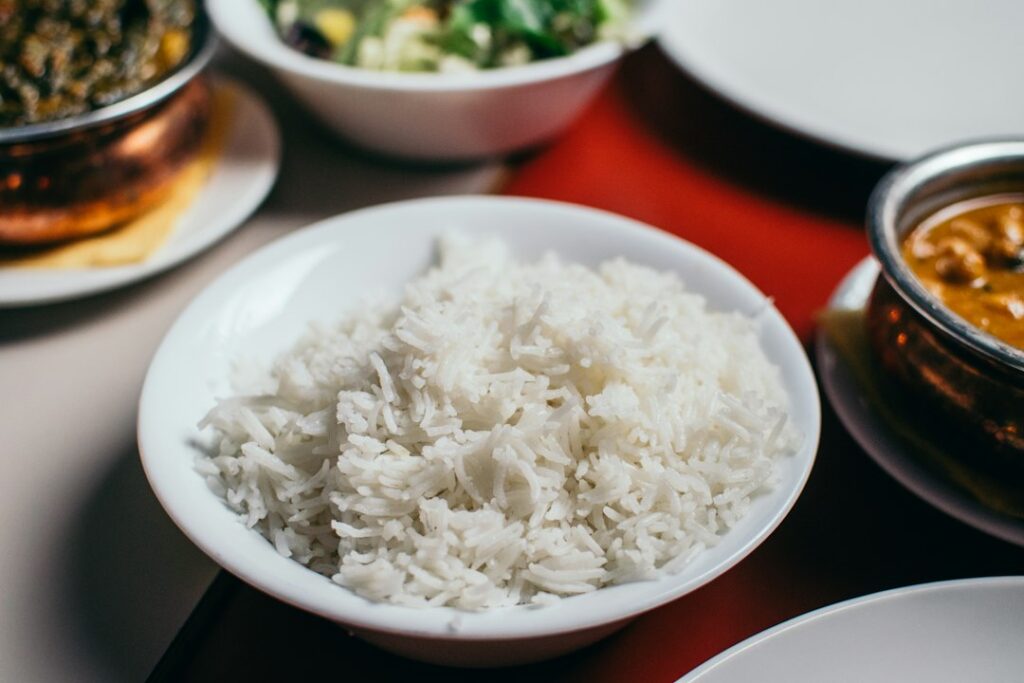
With diarrhea, sip fluids first, such as water, broth or an oral rehydration solution. Then eat small, gentle meals as soon as you feel able. Good choices are white rice, toast, oats, potato, a firm banana, eggs, plain chicken and soft cooked vegetables. Pause alcohol, caffeine, greasy food, sugary drinks and sugar-free sweets for a few days.
In this article
- What to eat with diarrhea
- What should you drink with diarrhea?
- Which foods make diarrhea worse?
- Should you avoid milk when you have diarrhea?
- A gentle plan, day by day
- Does fibre help or hurt diarrhea?
- Is the BRAT diet good for diarrhea?
- Do probiotics help diarrhea?
- What does diarrhea do to your gut bacteria?
- What if you have IBS with diarrhea?
- When is diarrhea a reason to see a doctor?
- Frequently asked questions
- What I want you to remember
Most experts no longer tell you to stop eating when you have diarrhea. The US National Institute of Diabetes and Digestive and Kidney Diseases (NIDDK) says you can usually return to your normal diet once you feel hungry. That holds even if loose stools continue.
So what to eat with diarrhea? Gentle, familiar foods in small portions, plenty of fluids and a short list of things to skip for a few days. In this guide I share a simple day-by-day plan, the foods that help and the ones that make it worse. I also explain how to look after your gut afterwards.
What to eat with diarrhea
The best foods are small portions of plain, low fat, easy foods, eaten as soon as you feel able. Then widen your diet over a day or two. You do not need to starve your gut. The 2003 CDC guideline on stomach bugs in children says withholding food for more than 24 hours is inappropriate.
That guideline found early feeding shortens the illness and improves nutrition. The same idea now guides advice for adults. The NHS in the UK simply says to eat when you feel able to.
When I had IBS with diarrhea, I learned that a slow, simple start helps a sore gut settle. Here are the foods I would reach for first.
Gentle starches
- White rice, plain or in a thin soup.
- Toast, plain crackers or rice cakes.
- Porridge made with water, or oats cooked soft.
- Boiled or mashed potato without the skin, and plain pasta or noodles.
Easy proteins
- Eggs, boiled, poached or scrambled with little fat.
- Plain chicken, turkey or white fish, baked, steamed or poached.
- Firm tofu, simply cooked.
- Clear broth with rice or noodles, which also replaces some salt.
Soft fruits and vegetables
- A firm, just ripe banana.
- Carrots, courgette (zucchini), pumpkin and green beans, peeled where needed and cooked until soft.
- Melon or peeled orange in small amounts once you feel better.
Plain yogurt or kefir can also work for many people. If dairy upsets you during a bout, read the section on milk below first.
What should you drink with diarrhea?
Fluids matter more than food in the first day. Loose stools drain water and salts from your body, and dehydration is the main danger, especially for babies, young children and older adults.
- Sip often. The NHS advises small sips of water or squash if you feel sick.
- Use an oral rehydration solution if you are losing a lot of fluid. NIDDK describes these as drinks that contain glucose and electrolytes. A pharmacist can recommend one.
- Add broth or soup for salt and warmth.
- Skip fruit juice and fizzy drinks. The NHS says they can make diarrhea worse.
- Keep breastfeeding a baby who has diarrhea.
Check your pee. Pale yellow means you are keeping up. Dark pee, peeing very little or feeling dizzy when you stand are signs you need more fluid.
Is a rice-based rehydration drink better?
It may help a little. A 2016 Cochrane review pooled 35 trials with 4,284 people with watery diarrhea, mostly children. Rehydration drinks made with rice or other starches shortened the illness by about 8 hours compared with glucose drinks.
The evidence was low quality, and most trials were in children. Any proper oral rehydration solution is a good choice, so use whichever one your pharmacist has.
Which foods make diarrhea worse?
Fatty, very sugary, caffeinated and alcoholic foods and drinks are the main ones to pause. NIDDK lists these as foods to avoid during a short, acute bout.
- Alcohol, in any form, until you are fully better.
- Caffeine, such as coffee, strong tea, energy drinks and some soft drinks.
- Large amounts of simple sugars, such as fruit juice, sweets, sugary drinks and packaged desserts.
- Sugar alcohols, such as sorbitol in sugar-free gum, sweets and some diet foods.
- High fat foods, such as fried food, pizza and fast food.
- Milk and milk foods with lactose, if they make you worse.
Large amounts of sugar pull water into the bowel. The CDC guideline explains that this extra load might make loose stools worse. My guide to sorbitol and IBS explains why sugar-free sweets are a common hidden trigger.
Why is coffee a problem?
Coffee wakes up the colon. In a small 1998 study, 12 healthy adults had sensors placed in the colon. Caffeinated coffee stirred up colon activity as much as a 1,000 calorie meal, and 60% more than water.
That push is helpful when you are constipated, but not when stools are already loose. My guide on whether coffee is bad for IBS covers how to bring it back slowly.
Do you need to avoid all fat?
No, a little fat is fine and may even help. Here is a myth worth correcting. The CDC guideline notes that it is hard to get enough energy without fat. It adds that fat might slow the gut down a little.
The problem is large, greasy meals. A drizzle of olive oil on rice or a scrambled egg is very different from fried chicken and chips.
Should you avoid milk when you have diarrhea?
Not always, but many people find milk harder to digest for a while. NIDDK says some people recovering from acute diarrhea have trouble digesting lactose for up to a month or more.
Lactose is the natural sugar in milk. A gut infection can damage the cells that make lactase, the enzyme that breaks lactose down. Undigested lactose then pulls in water and feeds gas-making bacteria.
If milk upsets you, switch to lactose-free milk for a week or two. Hard cheese and plain yogurt are often easier too, because they hold less lactose than milk. My guide to lactose and IBS explains how to test your own tolerance.
A gentle plan, day by day
This is a simple plan for a short bout in an adult. Go at your own pace and move back a step if things flare.
Day 1. Fluids first
- Sip water, an oral rehydration solution or broth every few minutes.
- When you feel hungry, try plain rice, toast, crackers or a banana.
- Rest, and keep portions small.
Day 2. Add protein
- Keep sipping fluids.
- Add eggs, plain chicken or fish, tofu or a bowl of chicken and rice soup.
- Try soft cooked carrots or courgette (zucchini).
- Eat 5 or 6 small meals rather than 3 large ones.
Day 3 and beyond. Widen your diet
- Bring back your usual meals one food at a time.
- Add oats, plain yogurt, more cooked vegetables and fruit.
- Bring beans, lentils, raw salad, spicy food and coffee back last.
- Wait until you feel fully well before alcohol.
You do not need special products for this. A 2013 review looked at 29 trials in children in low and middle income countries. Ordinary home foods worked as well as specialised ones.
The NHS says it usually stops within 5 to 7 days. Stay off work or school until you have had no diarrhea or vomiting for at least 2 days.
Does fibre help or hurt diarrhea?
It depends on the type of fibre. Soluble fibre, which forms a gel with water, can firm up loose stools. Rough, insoluble fibre, like bran and tough vegetable skins, is best kept light for a few days.
A small 2001 trial included 39 adults with leaks of loose or liquid stools. They took psyllium, gum arabic or a placebo for 31 days. Both fibres cut leaks to less than half the placebo rate and made stools firmer.
For IBS, a 2014 review of 14 trials with 906 people found that only soluble fibre helped symptoms. Bran did not. Oats, peeled potato and banana give you soluble fibre from food.
Start psyllium with a small dose and plenty of water, once the worst has passed. My guides to psyllium for IBS and soluble vs insoluble fibre explain how to use them.
What about green banana?
Green banana has some of the best food research here, though mostly in children. In a 2010 trial in rural Bangladesh, 2,968 children aged 6 to 36 months took part. By day 3, 79.9% of those with acute diarrhea who ate cooked green banana had recovered, compared with 53.3% without it.
Green banana is rich in resistant starch, which your gut bacteria ferment into helpful compounds. The trial was in young children in a low-income setting, so we cannot be sure the same applies to adults. My guide on whether banana is low FODMAP explains ripe vs green bananas.
Is the BRAT diet good for diarrhea?
The BRAT foods are fine for a first meal, but not as a diet on their own. BRAT stands for bananas, rice, applesauce and toast. The CDC guideline called it unnecessarily restrictive because it lacks protein, fat and many nutrients.
Use the useful parts and add protein early. My guide to the BRAT diet explains why doctors moved on from it and what works better.
Do probiotics help diarrhea?
The best evidence says probiotics probably do not shorten a typical bout. A 2020 Cochrane review pooled 82 studies with 12,127 people, almost all children. In the most reliable trials, probiotics did not lower the chance of diarrhea lasting 48 hours or more.
Many smaller trials looked positive, but the review found signs of bias and publication bias. I would not spend money on a probiotic just for a stomach bug. My guide to probiotics for IBS covers where they have better support.
What about zinc for children?
Zinc is one supplement with strong support, but for children, not adults. The World Health Organization advises a 10 to 14 day course of zinc tablets for children with diarrhea, alongside oral rehydration.
A 2024 review of 38 trials, commissioned by the WHO, found zinc shortened acute diarrhea in children by about 13 hours. It also caused more vomiting, and lower doses caused less. Ask your doctor before giving zinc to a child.
What does diarrhea do to your gut bacteria?
A bad bout flushes out and reshapes your gut bacteria, and they recover in stages. I strongly believe that what you eat in the weeks after a bout shapes how well your gut heals.
A 2015 study in the journal mBio followed people recovering from cholera, a severe infectious diarrhea. Their gut bacteria came back in an orderly sequence that was similar from person to person. The authors suggested this recovery may one day be guided by diet or treatment.
Another 2015 study looked at travelers who caught diarrhea abroad. Their gut bacteria showed a pattern of imbalance, whichever germ had caused it. These are small, early studies, so they show what happens, not yet how to fix it.
For some people, a gut infection is where IBS begins. A 2017 review in Gastroenterology pooled 45 studies with 21,421 people. About 10% had IBS a year after their infection.
This is why I do not like long, strict bland diets. Once you feel better, bring back a variety of plant foods bit by bit. Oats, cooked vegetables, fruit, beans and whole grains help your gut bacteria rebuild.
What if you have IBS with diarrhea?
The same gentle start works during an IBS flare, with a few extra swaps. Many common diarrhea foods, such as applesauce, are high in FODMAPs, a group of carbohydrates that can trigger IBS.
- Choose low FODMAP basics. Rice, oats, potato, eggs, firm tofu, carrots and a firm banana. My rice guide explains why rice suits a sore gut.
- Skip apple, pear and honey for now.
- Flavour with garlic-infused oil instead of onion and garlic.
- Try lactose-free milk instead of regular milk.
My guide on how to calm an IBS flare-up has a full plan. For the long term, read my IBS diarrhea diet and my complete IBS diet guide.
When is diarrhea a reason to see a doctor?
Most bouts settle at home, but some signs need a doctor quickly. NIDDK advises adults to talk to a doctor if it lasts more than 2 days. The same goes for 6 or more loose stools a day.
Get help sooner for blood in your stool, a high fever, severe belly pain or signs of dehydration. Babies and young children need a lower threshold. The doctor box on this page lists every warning sign.
Medicines such as loperamide can help adults with a short bout, says NIDDK. Do not use them with bloody stools or a fever, and do not give them to children under 12. Not sure the cause is a bug? My guides to how long food poisoning lasts and food poisoning vs stomach flu can help. My quick Gut Check game can also help you think it through, though it never replaces a doctor.
Frequently asked questions
What foods stop diarrhea fast?
No food stops it instantly, but plain starches like white rice, toast, oats, potato and a firm banana are gentle and may help firm stools. Fluids matter most. Sip water or an oral rehydration solution often, and add protein such as eggs or chicken once you can.
Are eggs good for diarrhea?
Yes, eggs are a good early protein for most people with an upset gut. Boil, poach or scramble them with only a little fat. They give your body protein to repair itself and are usually easy to digest in small portions.
Can I drink milk with diarrhea?
You can try, but stop if it makes things worse. NIDDK says some people have trouble digesting lactose for a month or more after acute diarrhea. Lactose-free milk, hard cheese and plain yogurt are often easier choices.
Should I stop eating when I have diarrhea?
No, you do not need to stop eating. Health bodies now advise eating small, gentle meals as soon as you feel able. Going without food for more than a day can slow your recovery, so keep up fluids and eat what you can manage.
How long should I eat bland food after diarrhea?
Usually only a day or two. Start with gentle foods, add protein on day 2 and move back to your normal meals as you feel better. Bring back high fibre, spicy and fatty foods, coffee and alcohol last.
What I want you to remember
When you have diarrhea, sip fluids first and eat small, gentle meals as soon as you can. Rice, toast, oats, potato, banana, eggs, chicken and soft cooked vegetables are good places to start.
Pause alcohol, caffeine, greasy food, sugary drinks and sugar-free sweets for a few days. Then rebuild your gut with a variety of plant foods. If your gut still feels unsettled weeks later, my free 30-Day Calm Gut Challenge is a gentle place to start.
Sources
- NIDDK. Eating, diet and nutrition for diarrhea. Reviewed 2024
- NIDDK. Symptoms and causes of diarrhea. Reviewed 2024
- NIDDK. Treatment of diarrhea. Reviewed 2024
- NHS. Diarrhoea and vomiting. Reviewed 2023
- World Health Organization. Diarrhoeal disease fact sheet, 2024
- King CK, et al. Managing acute gastroenteritis among children. Oral rehydration, maintenance, and nutritional therapy. CDC MMWR Recommendations and Reports, 2003
- Rao SS, et al. Is coffee a colonic stimulant? European Journal of Gastroenterology and Hepatology, 1998
- Gregorio GV, et al. Polymer-based oral rehydration solution for treating acute watery diarrhoea. Cochrane Database of Systematic Reviews, 2016
- Gaffey MF, et al. Dietary management of childhood diarrhea in low- and middle-income countries. A systematic review. BMC Public Health, 2013
- Bliss DZ, et al. Supplementation with dietary fiber improves fecal incontinence. Nursing Research, 2001
- Moayyedi P, et al. The effect of fiber supplementation on irritable bowel syndrome. A systematic review and meta-analysis. American Journal of Gastroenterology, 2014
- Rabbani GH, et al. Green banana-supplemented diet in the home management of acute and prolonged diarrhoea in children. A community-based trial in rural Bangladesh. Tropical Medicine and International Health, 2010
- Collinson S, et al. Probiotics for treating acute infectious diarrhoea. Cochrane Database of Systematic Reviews, 2020
- Ali AA, et al. Zinc supplementation for acute and persistent watery diarrhoea in children. A systematic review and meta-analysis. Journal of Global Health, 2024
- David LA, et al. Gut microbial succession follows acute secretory diarrhea in humans. mBio, 2015
- Youmans BP, et al. Characterization of the human gut microbiome during travelers' diarrhea. Gut Microbes, 2015
- Klem F, et al. Prevalence, risk factors, and outcomes of irritable bowel syndrome after infectious enteritis. A systematic review and meta-analysis. Gastroenterology, 2017
This article shares general information. It is not a diagnosis or a treatment plan. Please talk to your own doctor before you change your diet, medicines or supplements.

Dt. Hashika Vyas
Hashika is a dietitian who works with clients in 15+ countries on gut health, PCOS and weight. She healed her own IBS, and writes every guide on this site to be calm, clear and practical.